
 Highways
 Cycle Lanes
 Pedestrian Zones
 Bridges & Tunnels
 Parking
 School Zones
 Industrial
 Recreation

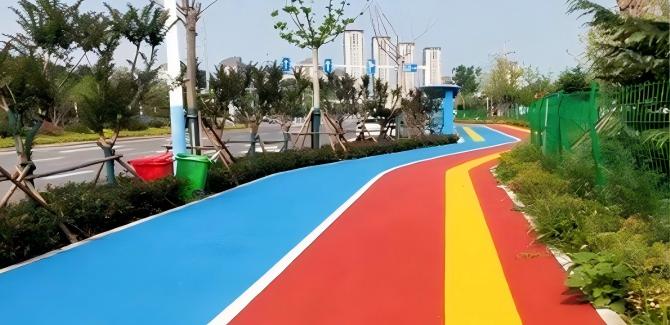
Colored bicycle lane surfacing can make cycling space easier to identify, especially where routes meet driveways and intersections. The design should consider the movement of all road users and the performance of the completed pavement.
Define the route and conflict areas
Map where motor vehicles cross the cycling route, where riders turn and where water can accumulate. Color is one element of the layout and should work with approved markings, signs and junction design. For US projects, confirm the proposed color and treatment with the responsible road authority before material ordering.
Distinguish visibility from surface grip
A bright finish can help define a lane, but it does not guarantee suitable friction. Assess the texture and performance required for cyclists and any vehicles that cross the area. Consider the installed system, including its aggregate, binder and preparation, instead of evaluating the coating color alone.
Compare material systems for traffic
Continuous bicycle lanes and heavily trafficked turning areas may face different wear patterns. Request data relevant to the proposed use and ask how the supplier handles joints, drainage features and existing road markings. Agree a trial so the client can assess appearance and the specified performance before the full route is treated.
Plan maintenance access
Inspection should look for worn patches, loose particles, peeling and blocked drainage. Keep the surface clean using a method compatible with the material. Define how repairs will blend with the original texture and color, and retain the product and batch information.
A good colored bike lane specification connects the design, installation and future maintenance. Provide the manufacturer with route plans, substrate details, photographs and traffic conditions to obtain a recommendation suited to the project.