


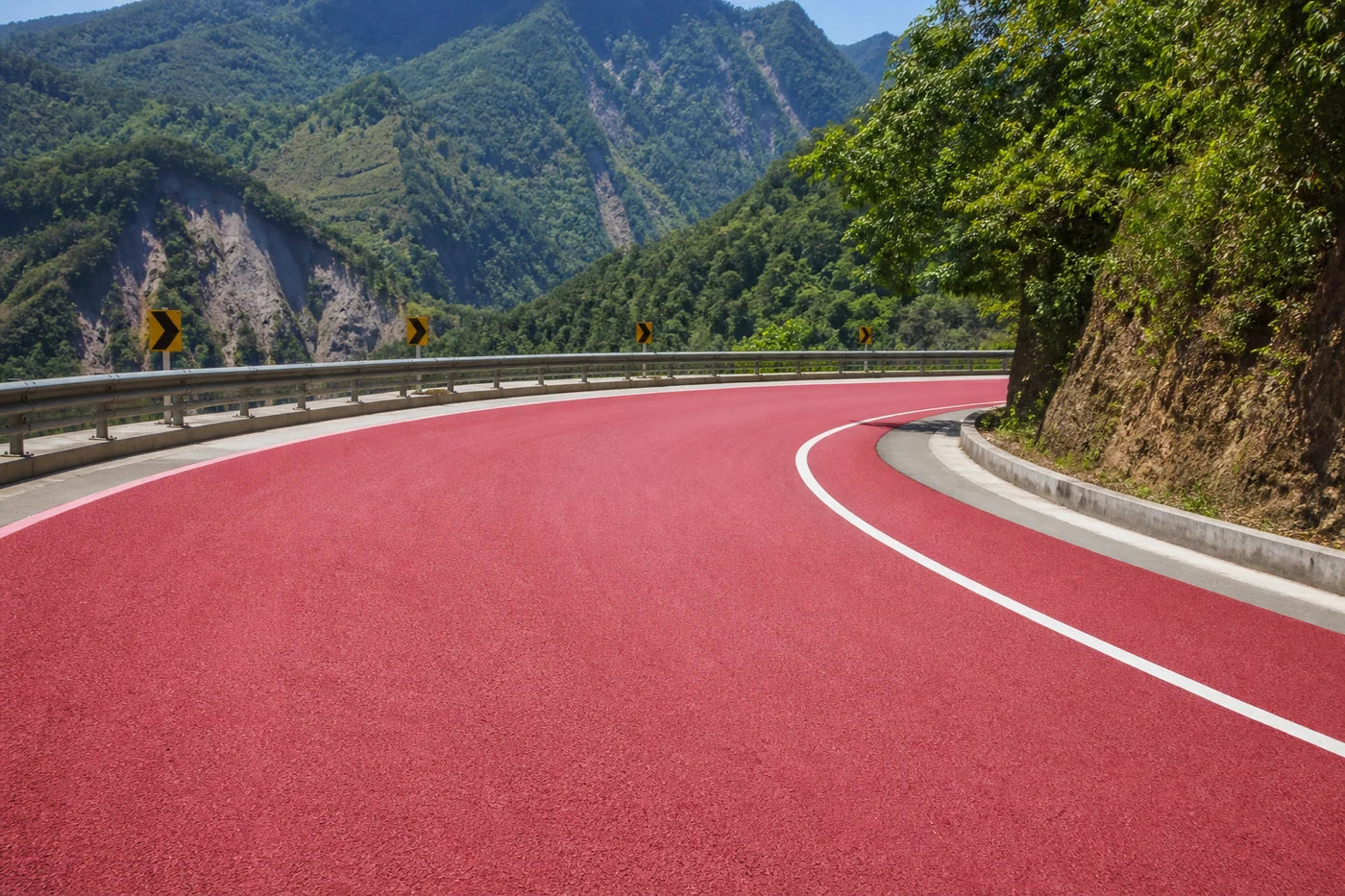
 Highways
 Cycle Lanes
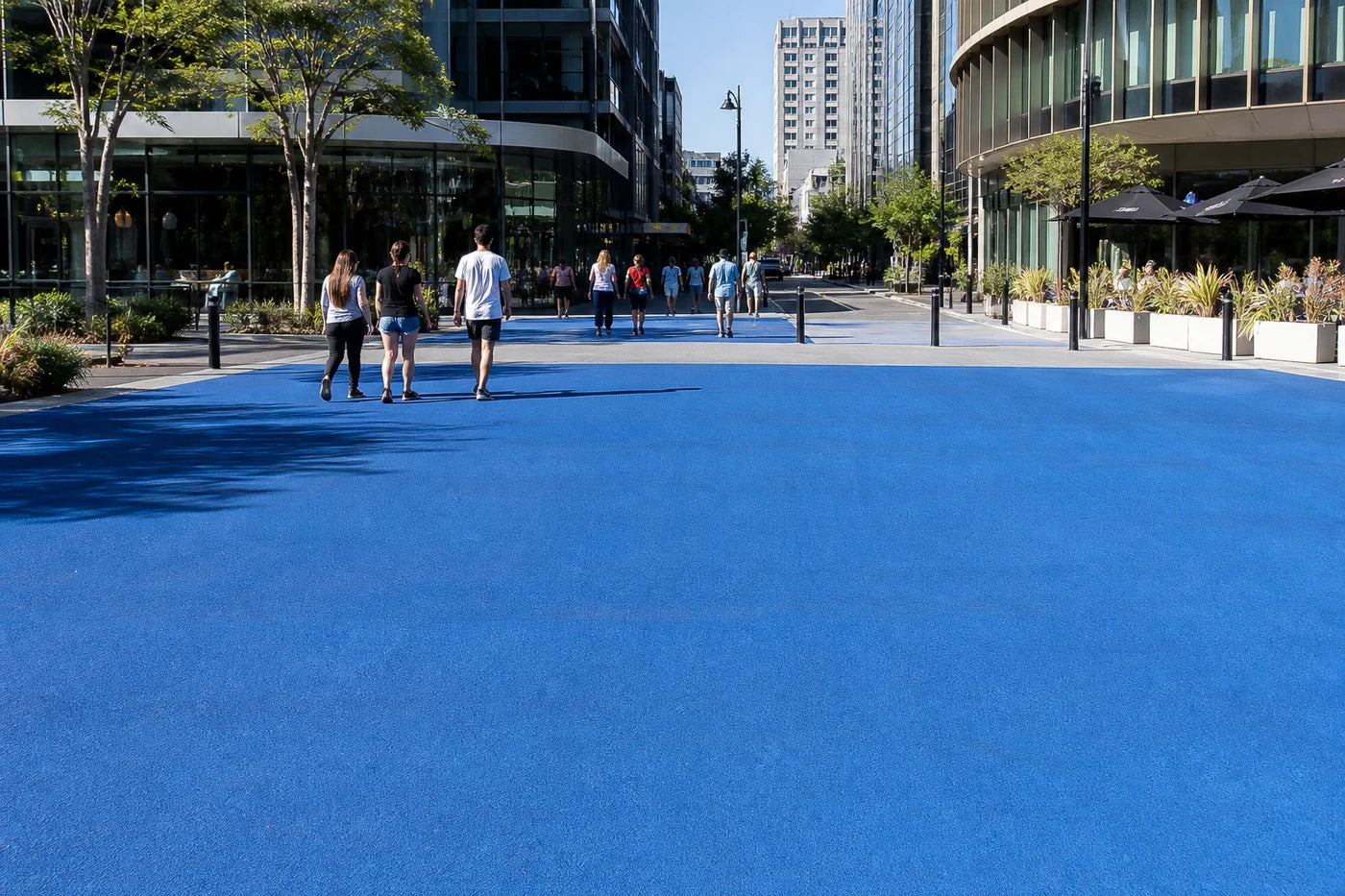 Pedestrian Zones
 Bridges & Tunnels
 Parking
 School Zones
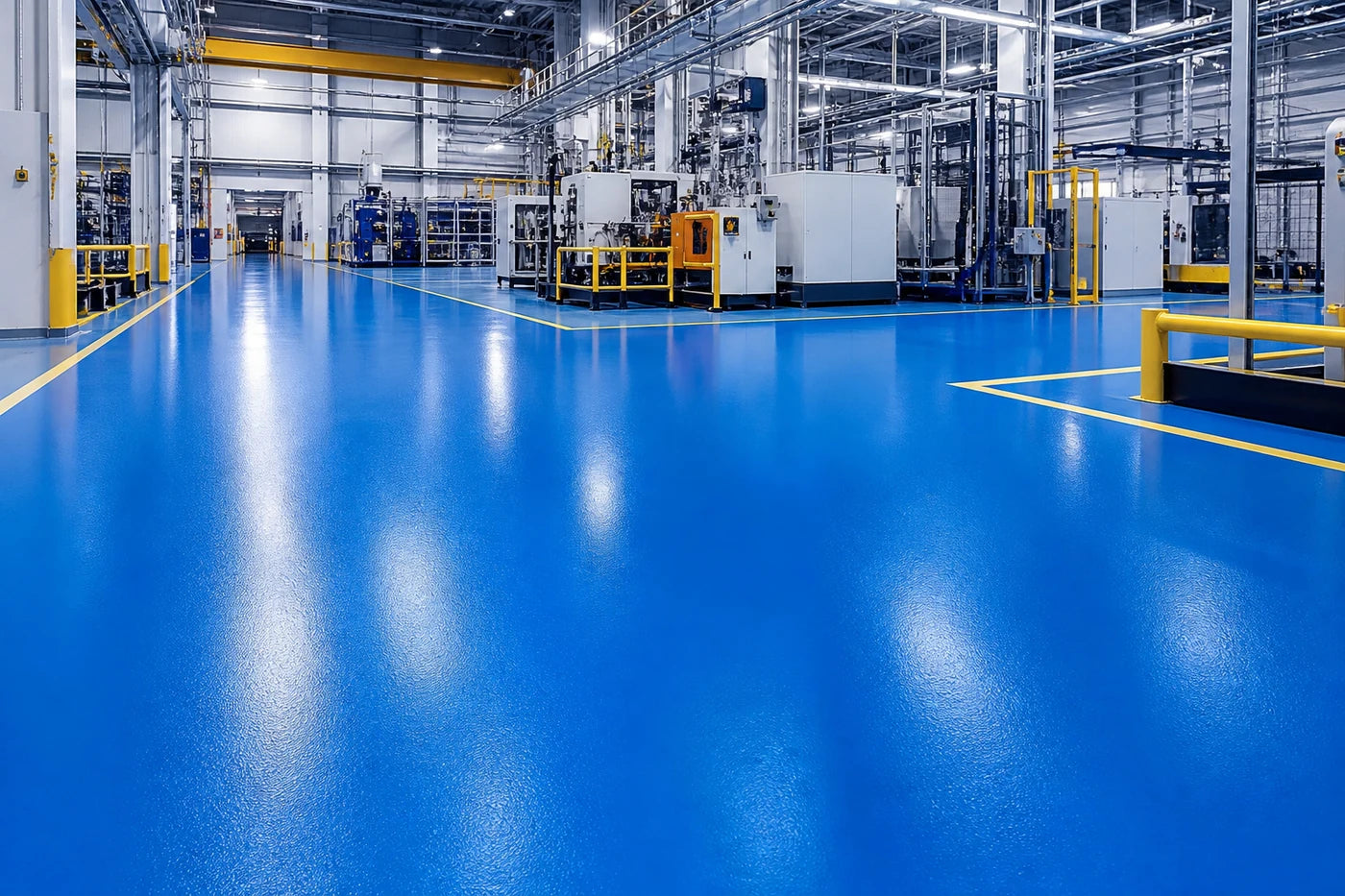 Industrial
 Recreation
How to Choose Durable Color Systems for High-Traffic Urban Cycle Lanes
Urban cycle lanes experience continuous bicycle traffic, turning movements, weather exposure, cleaning, and surface contamination. In busy city environments, choosing a durable color system is therefore about more than appearance. The surface must maintain color visibility, skid resistance, adhesion, and wear resistance throughout regular use.
Consider Traffic and Surface Conditions
The first step is to understand the operating environment. Cycle lanes near intersections, crossings, bus stops, and shared traffic zones often experience greater surface wear than protected sections with straightforward bicycle movement.
The existing pavement should also be evaluated. Asphalt and concrete have different surface characteristics, so the selected colored surfacing system should be compatible with the substrate and installation conditions.
Choose a Durable Binder System
The binder plays an important role in holding the aggregate in place and maintaining adhesion to the pavement. For high-traffic cycle lanes, the system should resist repeated loading, surface wear, moisture, and environmental exposure.
A suitable binder should also remain stable under changing temperatures and provide sufficient bonding strength for the expected service conditions.
Select Wear-Resistant Aggregate
Aggregate affects both durability and surface grip. Hard, appropriately graded aggregate can help create a textured finish that withstands regular bicycle traffic while maintaining useful skid resistance.
Particle size should be selected carefully. The surface needs enough texture for grip without creating an unnecessarily rough or uncomfortable riding surface.
Consider Long-Term Color Stability
Bright colors such as green, red, or blue can help cycle lanes stand out from surrounding traffic areas. However, color performance should be evaluated over the entire service life rather than only immediately after installation.
UV exposure, weather, dirt, tire contact, and surface wear can gradually change appearance. Using stable pigments and suitable colored aggregates can help maintain more consistent visual identification.
Pay Attention to Surface Preparation
Even a durable material system may fail prematurely if applied to a poorly prepared substrate. The pavement should be clean, dry, stable, and free from dust, oil, loose particles, and other contaminants.
Existing cracks or damaged areas should be addressed before installation. Proper preparation helps reduce the risk of peeling, delamination, and localized surface failure.
Balance Safety, Durability and Visibility
The best color system for a high-traffic urban cycle lane should balance skid resistance, riding comfort, color retention, adhesion, and wear resistance.
Project designers should consider traffic intensity, pavement condition, climate, drainage, maintenance requirements, and expected service life before selecting a system. Matching the material to actual site conditions helps create cycle lanes that remain visible, functional, and durable under demanding urban use.