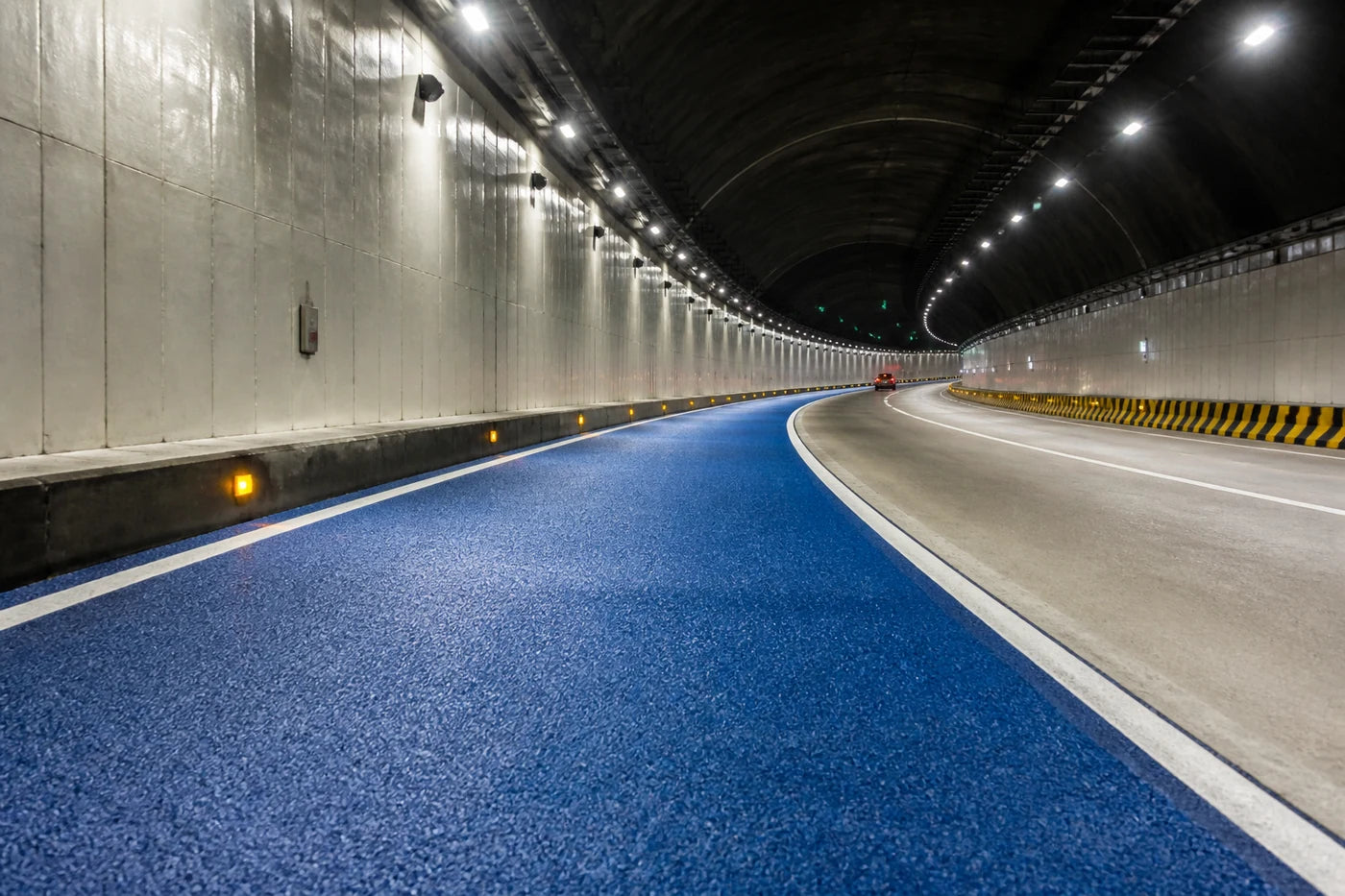
Application-focused colored surfacing systems engineered to improve skid resistance, traffic guidance and long-term durability across roads, bridges and public infrastructure.
Solution article
Best Pavement Protection Systems for Bridges and Tunnels
High‑performance resin‑based pavement protection systems for bridges and tunnels prevent water‑salt‑induced structural damage, deliver reliable wet‑weather anti‑slip performance, and adopt fast‑curing thin‑layer construction to minimize traffic interruption and cut long‑term maintenance costs.
admin
Best Pavement Protection Systems for Bridges and Tunnels
Bridges and tunnels represent critical links in modern transportation networks, yet they operate under distinctly harsh operating conditions. Bridge decks endure heavy vehicle loads, freeze‑thaw cycles and de‑icing salt corrosion. Tunnel pavements suffer from persistent dampness, poor ventilation, exhaust contamination and limited natural drying. Without reliable pavement protection systems, surfaces will develop water infiltration, spalling, cracking and slippery hazards, shortening infrastructure service life and raising traffic risks. Selecting appropriate protection systems balances structural durability and road‑user safety.
Modern resin‑based overlay systems rank among the most practical solutions for both bridges and tunnels. MMA, water‑based polymer and polyurethane surfacing integrate waterproof sealing and high‑friction anti‑slip functions. For open‑air bridge decks, these systems block rainwater and chloride penetration to safeguard steel reinforcement and concrete substrates. Inside dim‑light, damp tunnels, hard‑wearing aggregates maintain stable friction on wet surfaces, lowering skidding risks for vehicles and pedestrian emergency walkways. Colored options also deliver visual warning for lane boundaries and hazard zones.
System selection should match site‑specific conditions. Heavy‑traffic highway bridges require high‑strength wear‑resistant systems to withstand frequent braking and rolling. Municipal viaducts and urban tunnels can adopt thin‑layer eco‑friendly solutions, which add minimal extra weight to structures. Substrate preparation is essential: surfaces must be cleaned, repaired and primed to guarantee stable bonding. Normal‑temperature fast‑curing construction greatly cuts lane‑closure duration, a key advantage for tunnels and busy bridge sections where long‑time traffic shutdowns are impractical.
High‑quality pavement protection systems feature outstanding weathering stability. They resist UV degradation, temperature‑related cracking and chemical contamination. Properly installed overlay systems reduce repeated repair work and deliver long‑term cost savings for infrastructure operators.
In summary, well‑matched pavement protection systems defend bridge and tunnel concrete structures against corrosive damage, improve wet‑weather traffic safety, and support low‑disruption renovation. They are essential investments for long‑term highway and municipal infrastructure preservation.


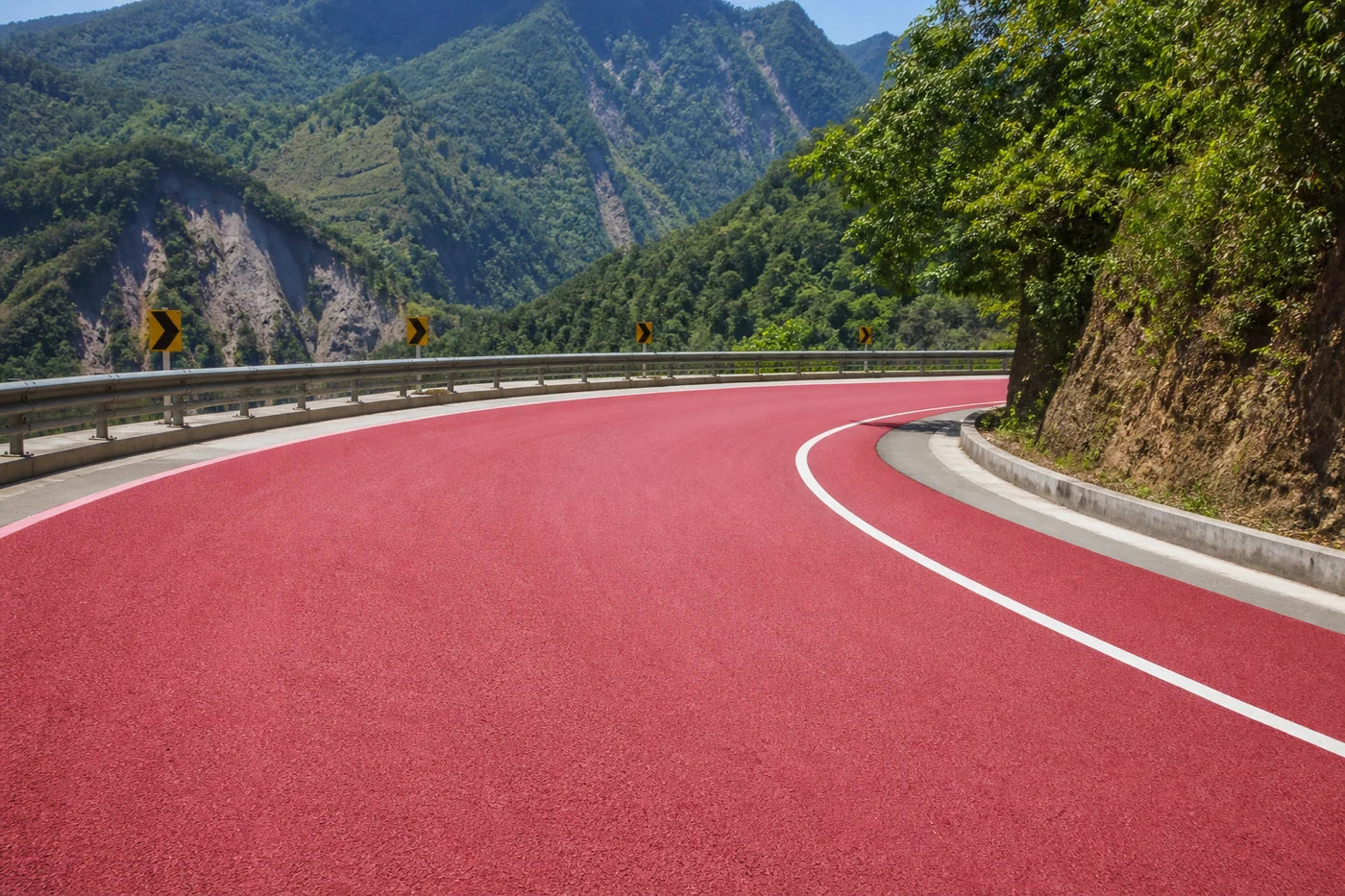 Highways
 Cycle Lanes
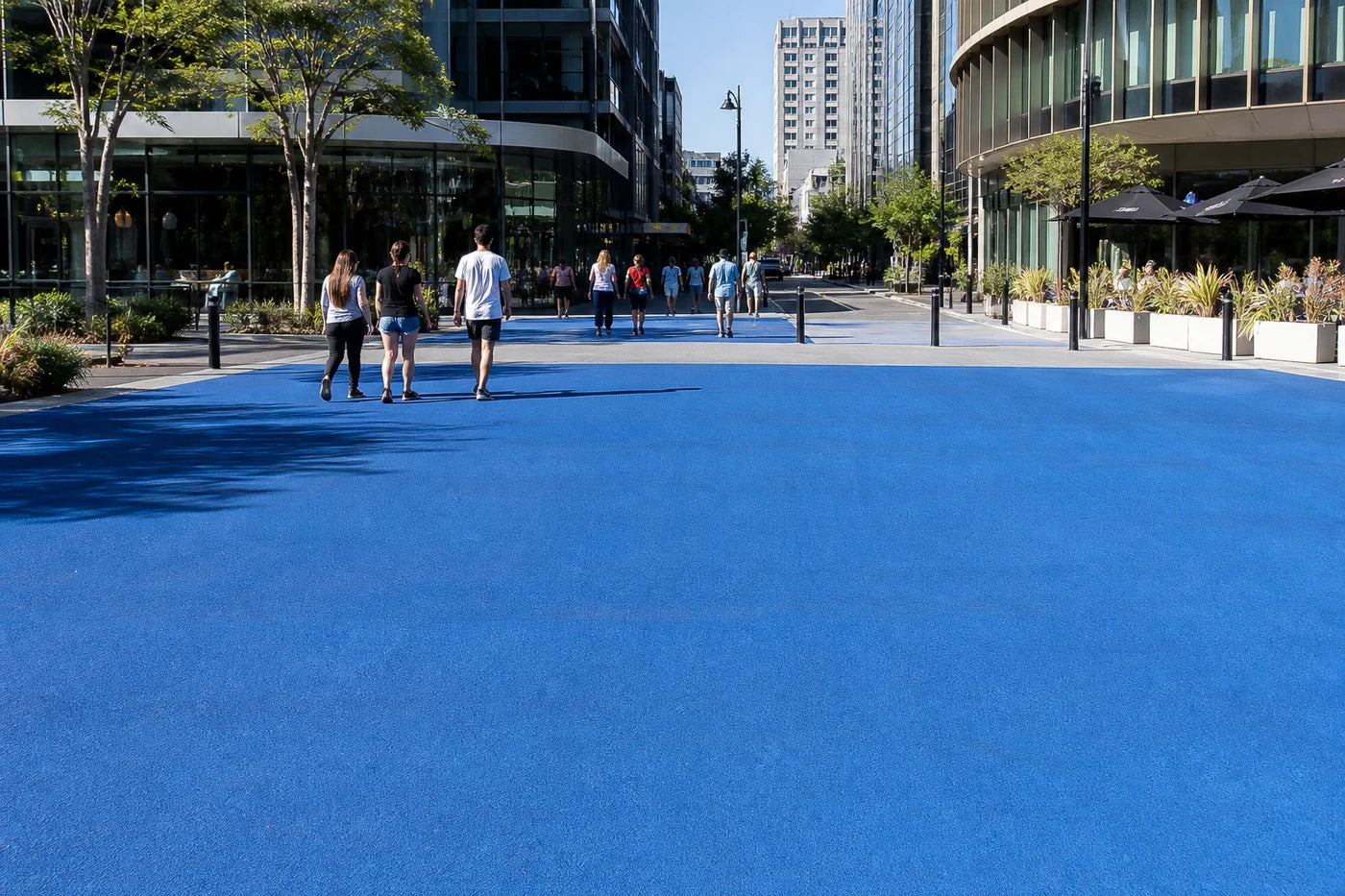 Pedestrian Zones
 Bridges & Tunnels
 Parking
 School Zones
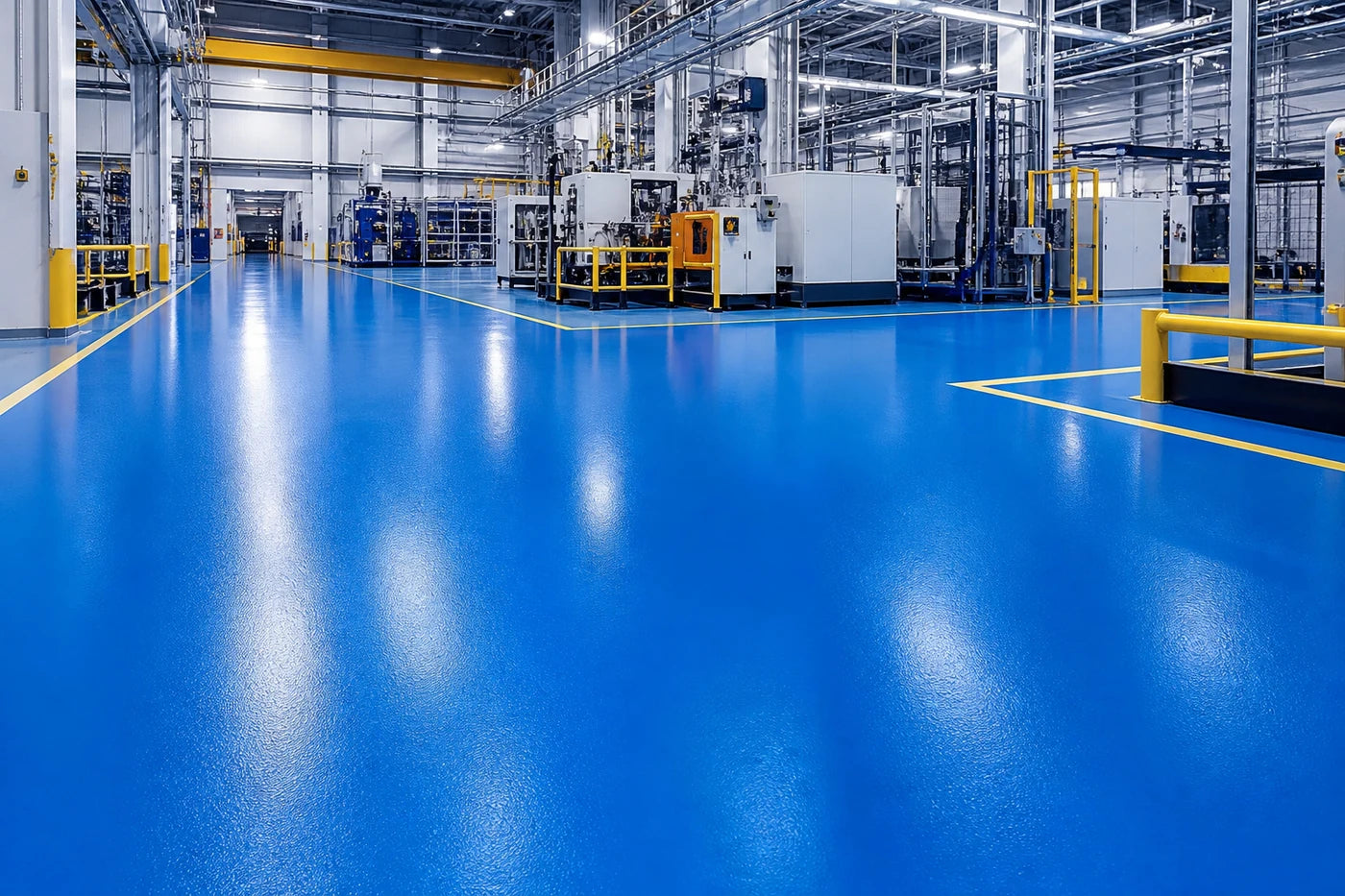 Industrial
 Recreation