Application-focused colored surfacing systems engineered to improve skid resistance, traffic guidance and long-term durability across roads, bridges and public infrastructure.
Solution article
Anti‑Slip Protective Surfacing for Bridge Deck Traffic Lanes
Anti‑slip protective surfacing for bridge deck traffic lanes improves wet‑weather anti‑skid safety for moving vehicles, prevents water‑salt erosion to protect concrete substrates, and adopts fast thin‑layer construction to reduce traffic disruption and long‑term maintenance costs.
admin
Anti‑Slip Protective Surfacing for Bridge Deck Traffic Lanes
Bridge deck traffic lanes bear continuous heavy‑vehicle loads while enduring harsh outdoor conditions including rainfall, freeze‑thaw cycles and de‑icing salt erosion. Original pavement gradually suffers abrasion, cracking and water infiltration. Slippery surfaces on bridge decks easily cause vehicle skidding and sideslip, bringing serious hidden dangers to highway traffic. Anti‑slip protective surfacing delivers dual‑value of traffic safety promotion and structural protection for bridge deck traffic lanes.
High‑friction aggregates embedded in the surfacing create a rough textured surface. It maintains stable friction performance under rainy, snowy and damp conditions, effectively shortens vehicle braking distances and reduces risks of hydroplaning and traffic accidents. Colored surfacing also provides obvious visual reminders, guiding drivers to adjust speed when travelling on bridge sections.
As a protective barrier, the compact surfacing layer blocks rainwater and corrosive salt from penetrating into concrete substrates. It prevents steel‑bar corrosion, concrete spalling and internal structural damage, slowing the ageing process of the whole bridge deck. Good coating flexibility adapts to minor thermal deformation of bridge decks, avoiding protective‑layer cracking caused by temperature changes.
Thin‑layer overlay construction brings great convenience for bridge renovation projects. It can be constructed on qualified existing asphalt or concrete bridge decks without large‑scale demolition. Normal‑temperature fast‑curing material greatly shortens on‑site construction cycles and reduces lane‑closure‑caused traffic interruption. Excellent wear resistance and weather stability extend service life, lower frequent repair work and cut comprehensive project maintenance costs.
To sum up, anti‑slip protective surfacing improves wet‑weather driving safety and protects bridge deck concrete structures. It is a reliable and cost‑effective solution for municipal and highway bridge‑lane upgrading.


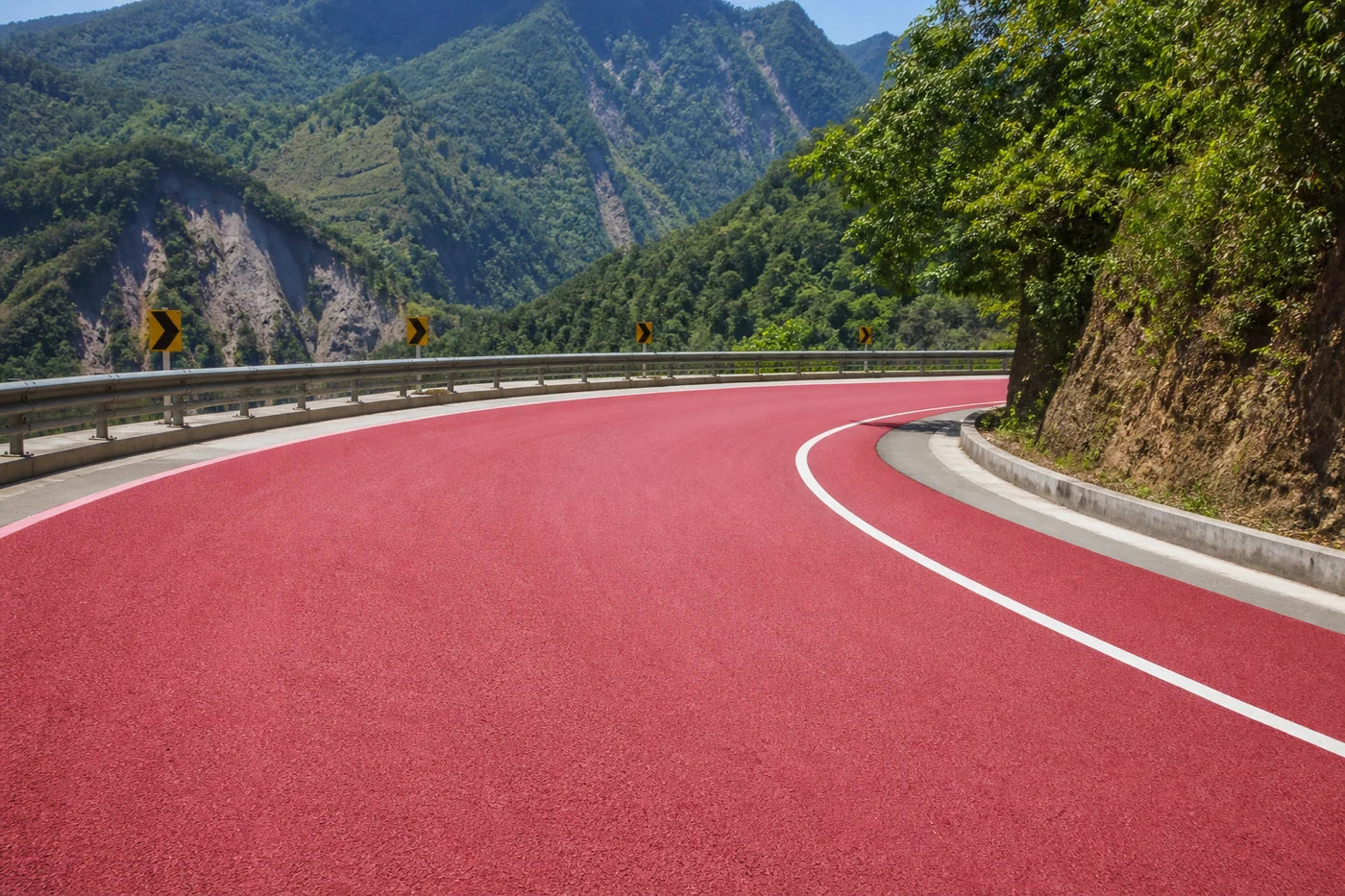 Highways
 Cycle Lanes
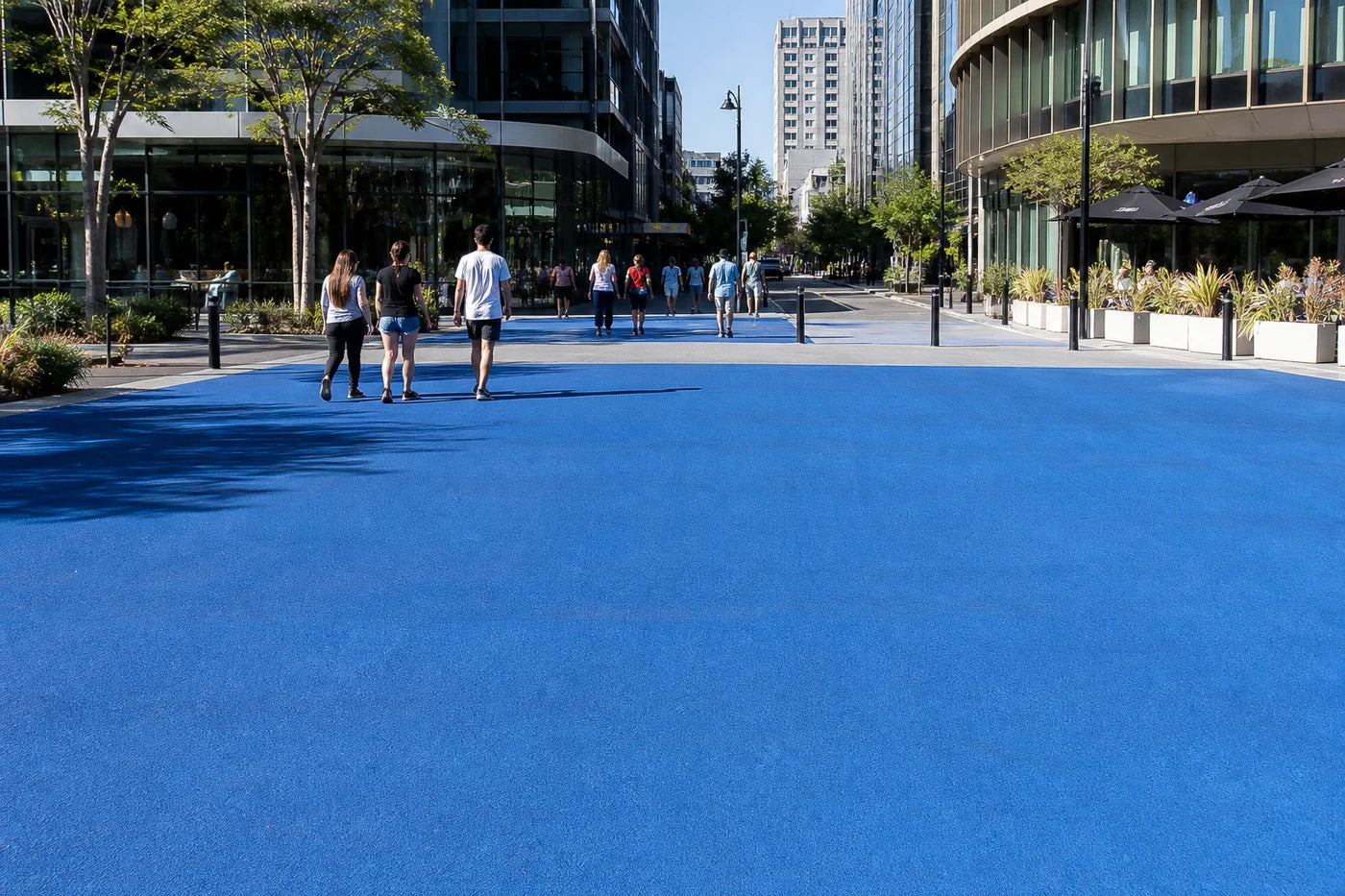 Pedestrian Zones
 Bridges & Tunnels
 Parking
 School Zones
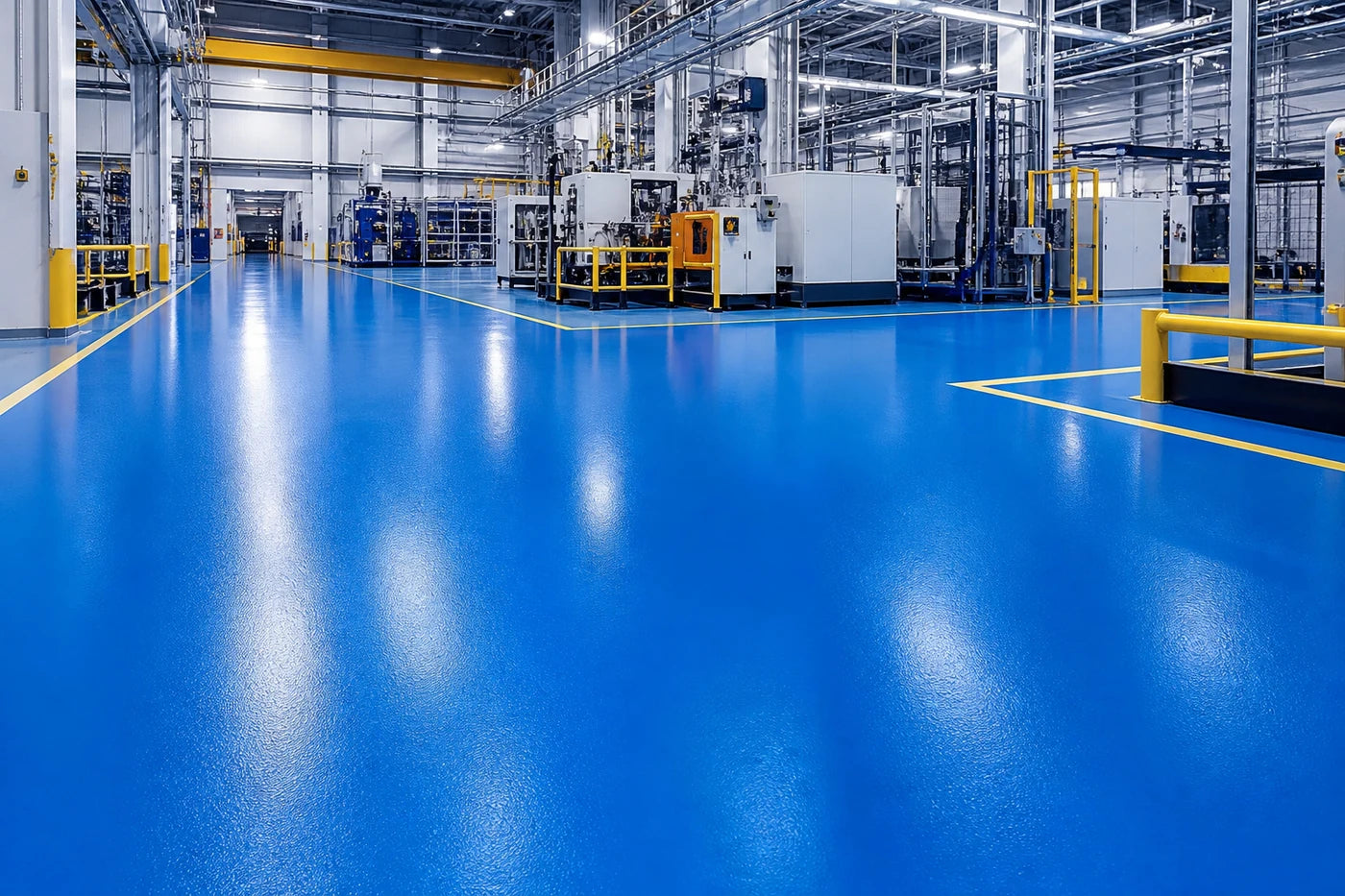 Industrial
 Recreation