Application-focused colored surfacing systems engineered to improve skid resistance, traffic guidance and long-term durability across roads, bridges and public infrastructure.
Solution article
Colored Surfacing for Urban Bike Lanes
Colored surfacing improves urban bike lanes with greater visibility, enhanced grip, clearer intersections, and durable route definition for everyday city cycling.
admin
Colored Surfacing for Urban Bike Lanes
Urban bike lanes are an essential part of modern city transportation, providing dedicated space for cyclists while connecting residential neighborhoods, business districts, schools, parks, and public transport. Colored surfacing for urban bike lanes can make cycling routes more visible, easier to follow, and better integrated into busy street environments.
Make Bike Lanes Stand Out
On streets with cars, buses, parking spaces, and pedestrians, bicycle lanes need to be clearly recognizable. Colored pavement creates strong visual contrast with conventional asphalt and helps define dedicated cycling space.
Consistent color can also give the bike lane a recognizable identity throughout the urban cycling network.
Highlight Intersections and Crossings
Intersections, driveways, turning lanes, and side streets are important transition points along a bike route. At these locations, cyclists and vehicles may cross the same space.
Colored bike lane surfacing can highlight these areas and visually extend the cycling route through the junction. This helps maintain route continuity while making conflict areas more noticeable.
Improve Grip with Anti-Slip Surfacing
Urban cyclists frequently brake, accelerate, corner, and change direction. A suitable colored anti-slip surfacing system can provide enhanced traction in locations where additional grip is beneficial.
This can be particularly useful around junction approaches, bends, crossings, slopes, and other high-use sections of a city cycling route.
Create Connected Urban Cycling Networks
Colored pavement can help connect individual bike lanes into a more recognizable network. Continuous routes can guide cyclists between neighborhoods, city centres, transport stations, commercial areas, and recreational destinations.
Color can also distinguish bicycle infrastructure from pedestrian paths, bus lanes, and shared traffic areas.
Durable for Busy City Streets
Urban bike lane surfacing needs to withstand regular bicycle traffic, changing weather, sunlight, road maintenance, and everyday street conditions. Durable colored pavement can be used for new cycling infrastructure as well as resurfacing and renewal projects.
By combining high visibility, anti-slip performance, clear route guidance, and durability, colored surfacing provides a practical solution for modern urban bike lanes.


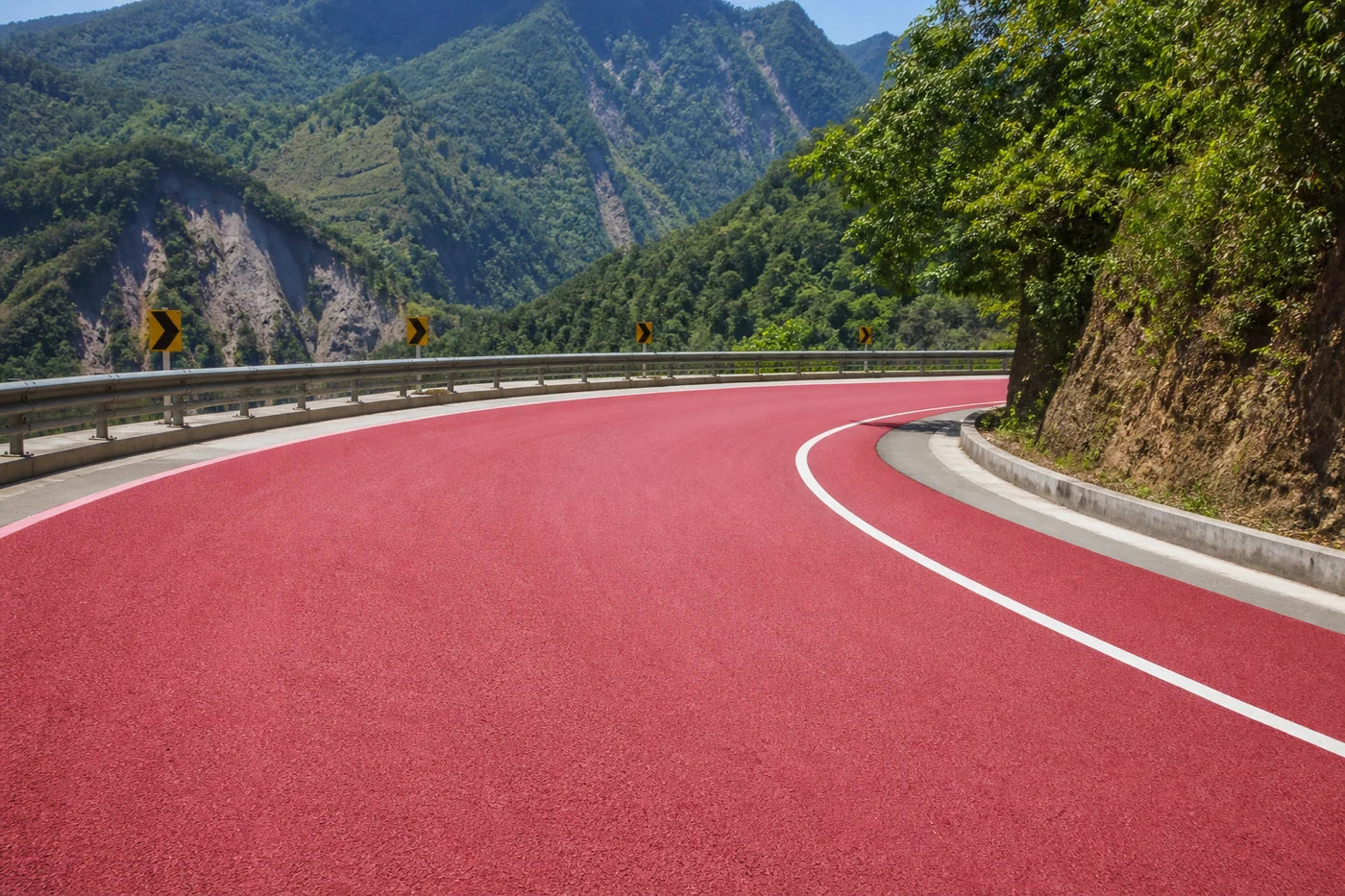 Highways
 Cycle Lanes
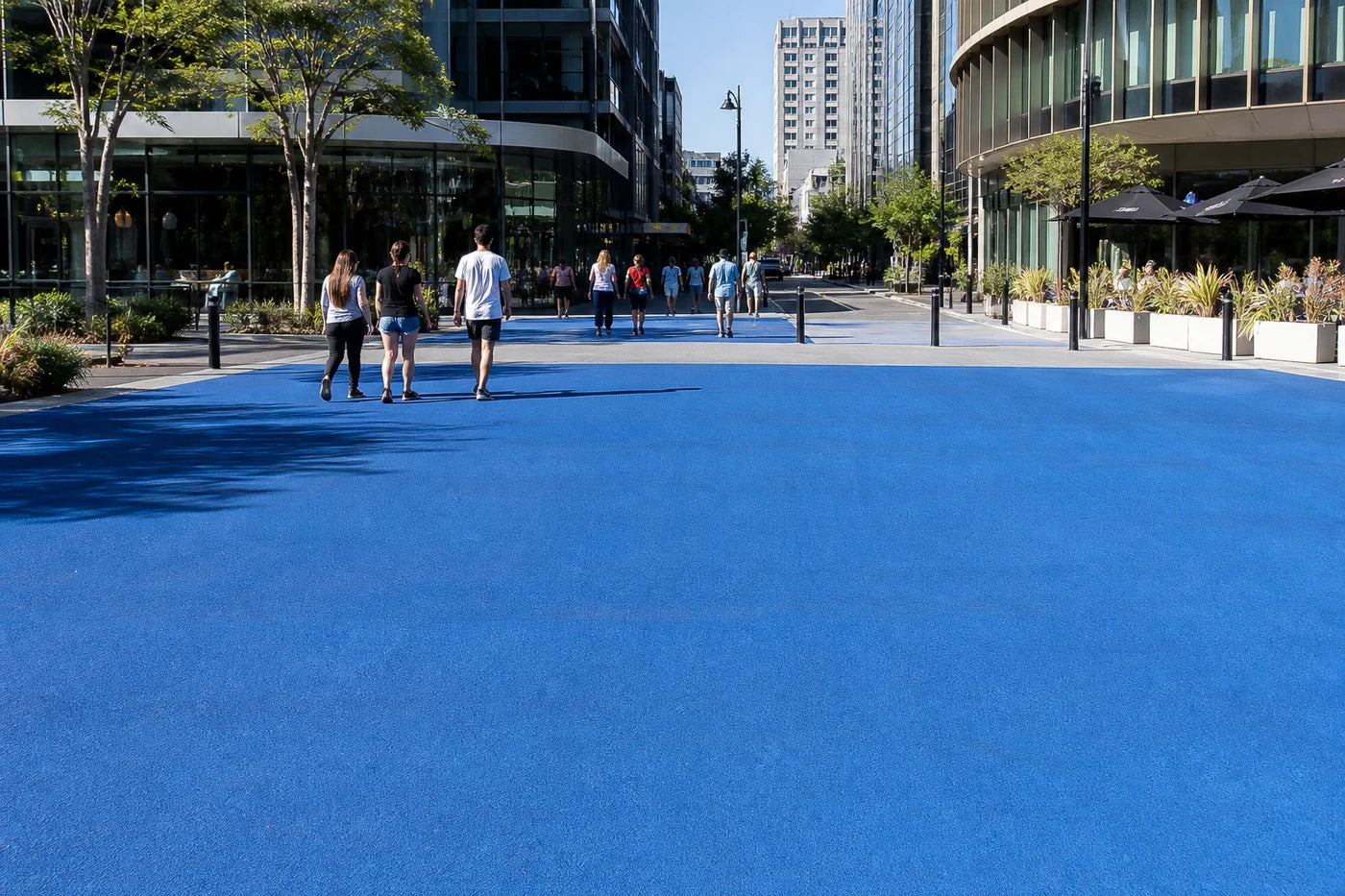 Pedestrian Zones
 Bridges & Tunnels
 Parking
 School Zones
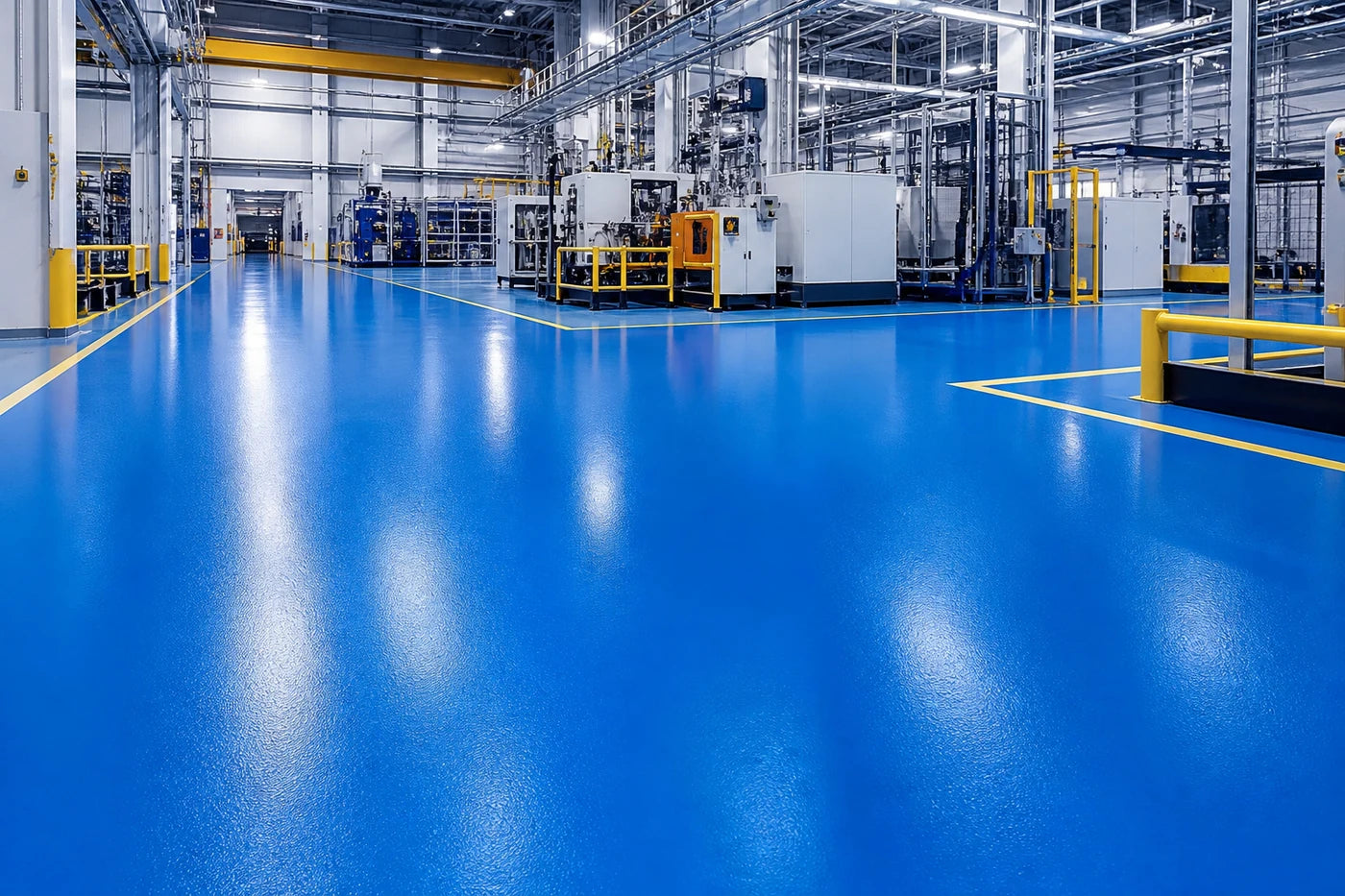 Industrial
 Recreation