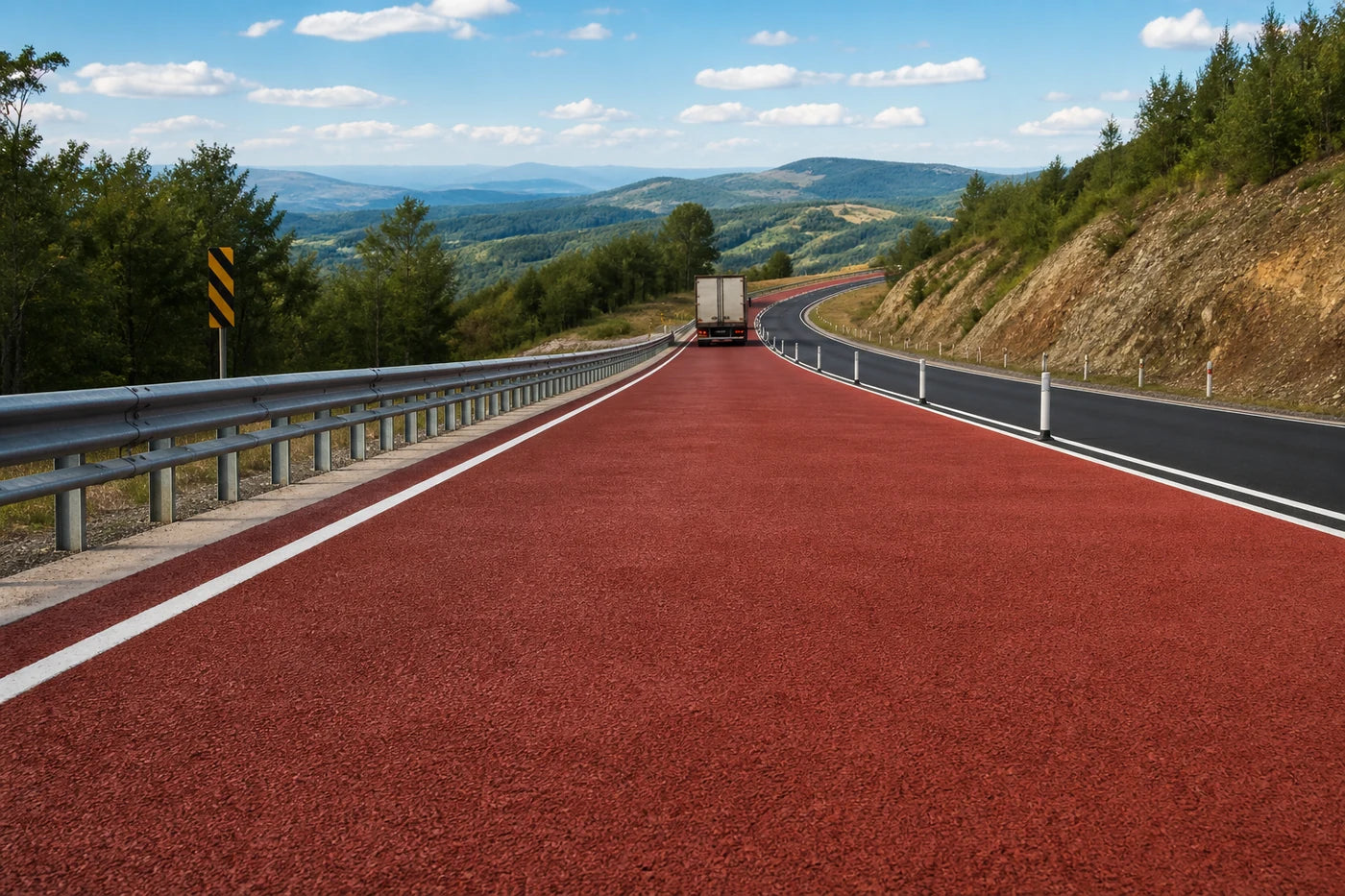
Application-focused colored surfacing systems engineered to improve skid resistance, traffic guidance and long-term durability across roads, bridges and public infrastructure.
High-friction surfacing effectively cuts road traffic accidents by delivering stable all-weather anti-slip performance and intuitive visual warnings. Its durable, textured pavement shortens braking distances, prevents vehicle skidding, standardizes driving behaviors, and eliminates road hazard risks, greatly improving safety for high-risk highway and urban road sections.
admin
Traffic skidding, long braking distances and out-of-control driving are the leading causes of road accidents on highways, urban intersections, overpass ramps and exit zones. Most traffic accidents tend to occur in high-frequency deceleration, turning and lane-changing sections, where ordinary asphalt pavements fail to provide sufficient tire friction, especially in wet, rainy or frosty weather. High-friction surfacing has become a pivotal road safety solution, effectively lowering traffic accident rates by optimizing pavement performance and driving conditions.
The core reason why high-friction surfacing reduces traffic accidents lies in its superior all-weather anti-skid performance. This specialized pavement material is blended with high-hardness wear-resistant aggregates and high-adhesion polymer binders. After construction, it forms a rough, textured road surface with excellent water drainage capability. It can quickly remove surface rainwater to avoid the formation of water film that triggers tire skidding, maintaining a stable friction coefficient between tires and the road surface in both dry and wet conditions. This significantly shortens vehicle braking distances and prevents lateral slipping, solving the most critical safety hazard of traditional pavements.
In addition to physical anti-slip performance, colored high-friction surfacing provides intuitive visual traffic warning, another key factor in accident reduction. The distinct bright pavement color forms a striking visual contrast with ordinary road surfaces, reminding drivers to actively slow down, concentrate on driving and avoid aggressive lane changes when entering high-risk sections such as ramps, intersections and toll plazas. This passive visual guidance standardizes driving behaviors, effectively reducing traffic conflicts and collision accidents caused by speeding and delayed deceleration.
Durable and stable pavement performance further avoids secondary traffic accidents. High-friction surfacing features strong bonding strength, excellent weather resistance and wear resistance. It can withstand long-term heavy vehicle rolling, frequent braking and extreme temperature changes without peeling, cracking or aggregate falling off. Unlike ordinary pavements that are prone to damage and cause sudden road hazards, it maintains long-term stable road conditions, eliminating accident risks caused by pavement damage and uneven road surfaces.
With convenient cold-laid construction, high-friction surfacing also minimizes traffic disruption during road upgrades. It does not require large-scale pavement demolition or long-term road closure, avoiding traffic congestion and secondary accidents caused by prolonged construction. For road management departments, applying high-friction surfacing in high-risk road sections is a cost-effective and efficient measure to control traffic accidents, improve overall road safety and optimize urban and highway traffic operation systems.


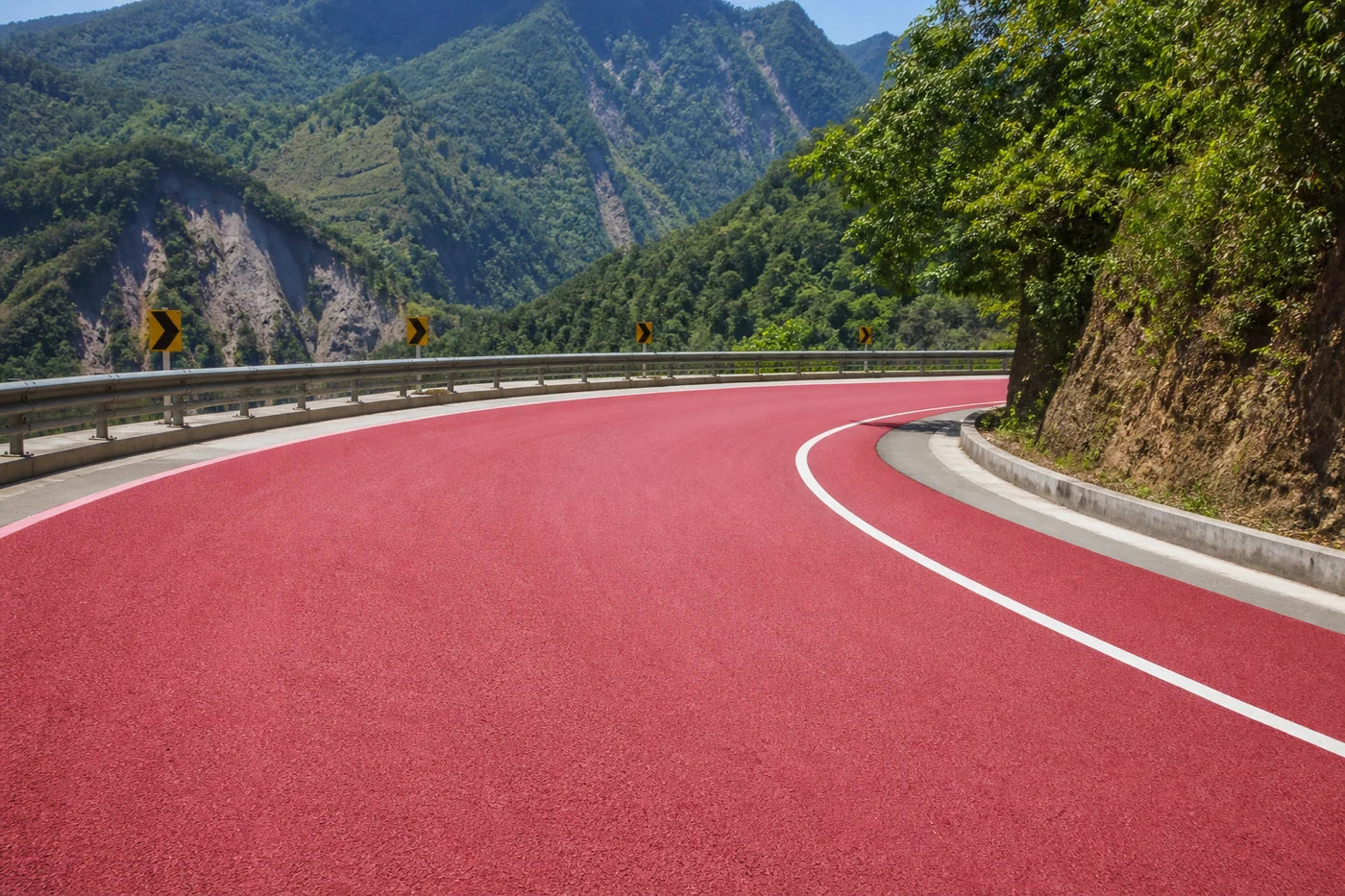 Highways
 Cycle Lanes
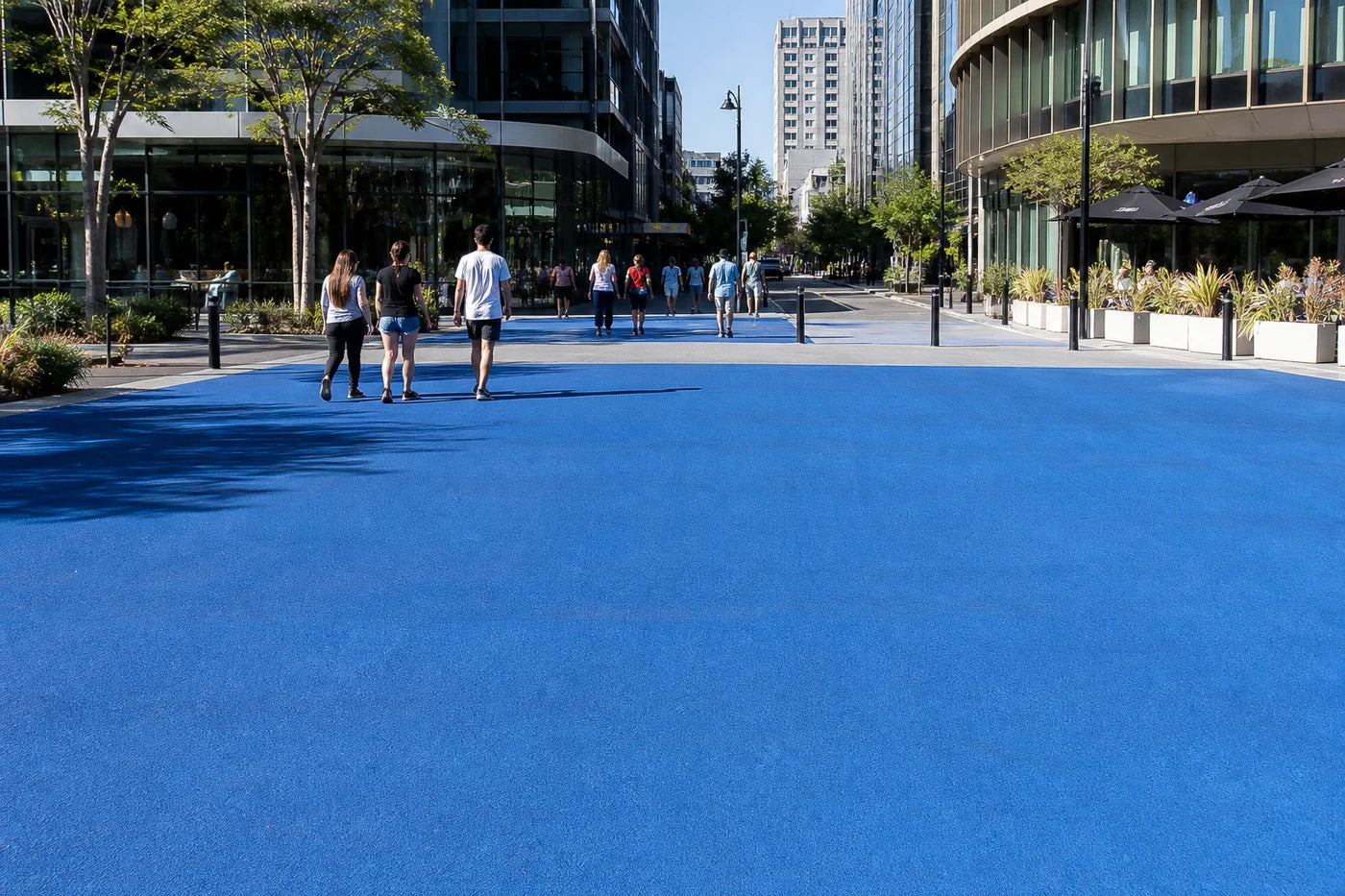 Pedestrian Zones
 Bridges & Tunnels
 Parking
 School Zones
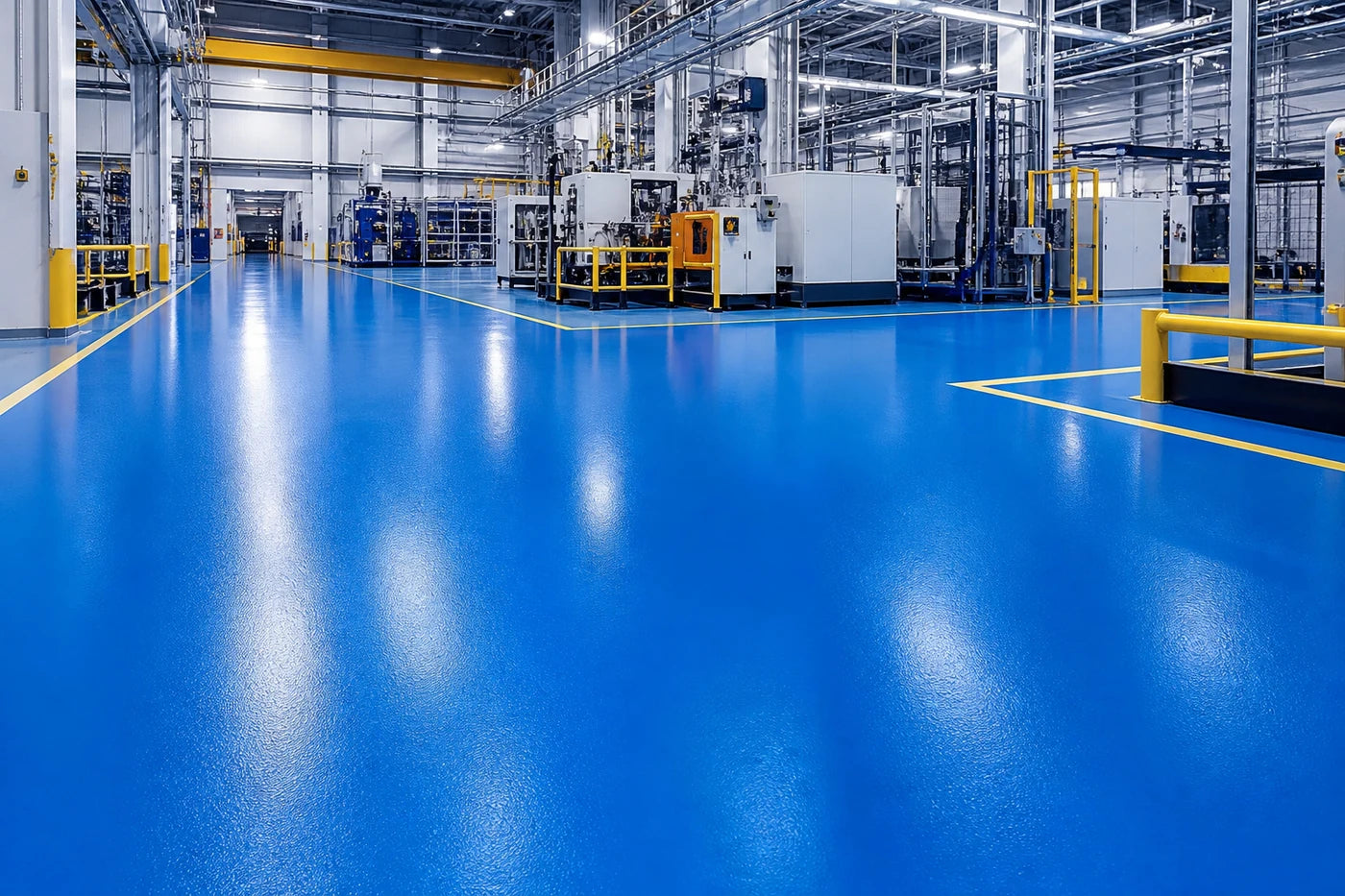 Industrial
 Recreation