Application-focused colored surfacing systems engineered to improve skid resistance, traffic guidance and long-term durability across roads, bridges and public infrastructure.
Solution article
Colored Pavement for Scenic Walks and Viewing Routes
Colored pavement combines decorative design, anti-slip performance, and visual wayfinding to create attractive and durable scenic walks and viewing routes for parks, tourist attractions, resorts, waterfronts, and natural destinations.
admin
Colored Pavement for Scenic Walks and Viewing Routes
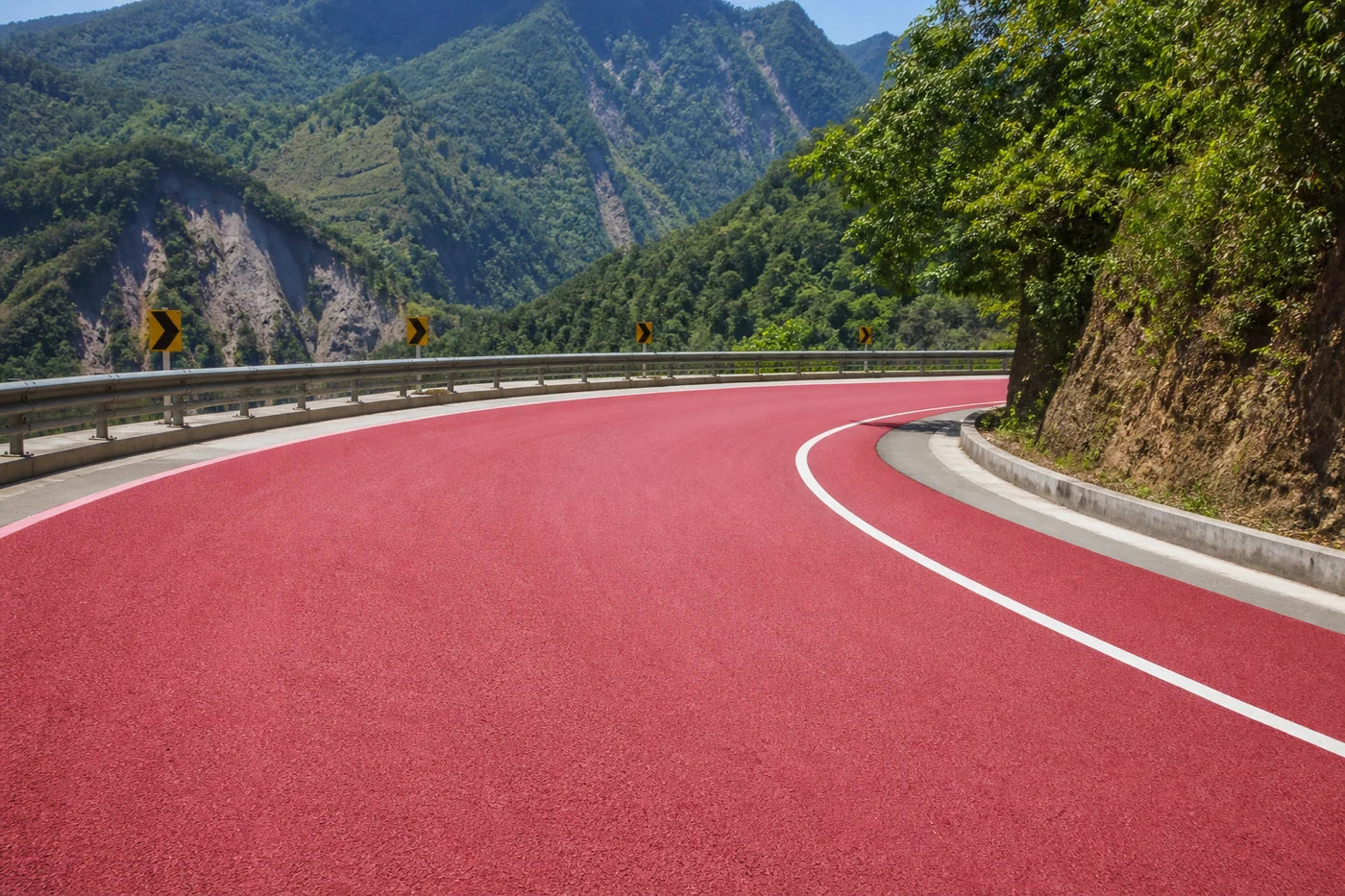
Scenic walks and viewing routes are an important part of parks, tourist attractions, mountain destinations, waterfront areas, resorts, and natural landscapes. These routes guide visitors between entrances, viewpoints, rest areas, and major attractions while also contributing to the overall visual experience. Colored pavement for scenic walks and viewing routes combines decorative design, anti-slip performance, and clear route guidance to create attractive and practical pathways for outdoor destinations.
Enhancing the Scenic Experience
The appearance of a pathway can influence how visitors experience a destination. Traditional gray concrete or black asphalt may provide a functional surface, but colored pavement can integrate the route more naturally with the surrounding landscape.
Earth tones, red, green, beige, and other colors can complement forests, mountains, gardens, lakes, and architectural features. Designers can also use contrasting colors to create distinctive routes that become part of the visual identity of a tourist attraction.
Curved color bands, decorative borders, and changing pavement tones can add character without distracting from the natural scenery.
Anti-Slip Performance for Outdoor Routes
Scenic pathways are continuously exposed to outdoor conditions. Rain, moisture, fallen leaves, soil, and other natural materials may affect surface traction, particularly on slopes, curves, and shaded sections.
Colored pavement can incorporate selected anti-slip aggregates to create a textured, high-friction finish. This additional texture provides improved grip for pedestrians while also supporting bicycles and occasional maintenance vehicles.
For scenic destinations with changing elevations, anti-slip surfacing can be particularly useful around slopes, viewing platforms, entrances, and transition areas.
Guiding Visitors with Color
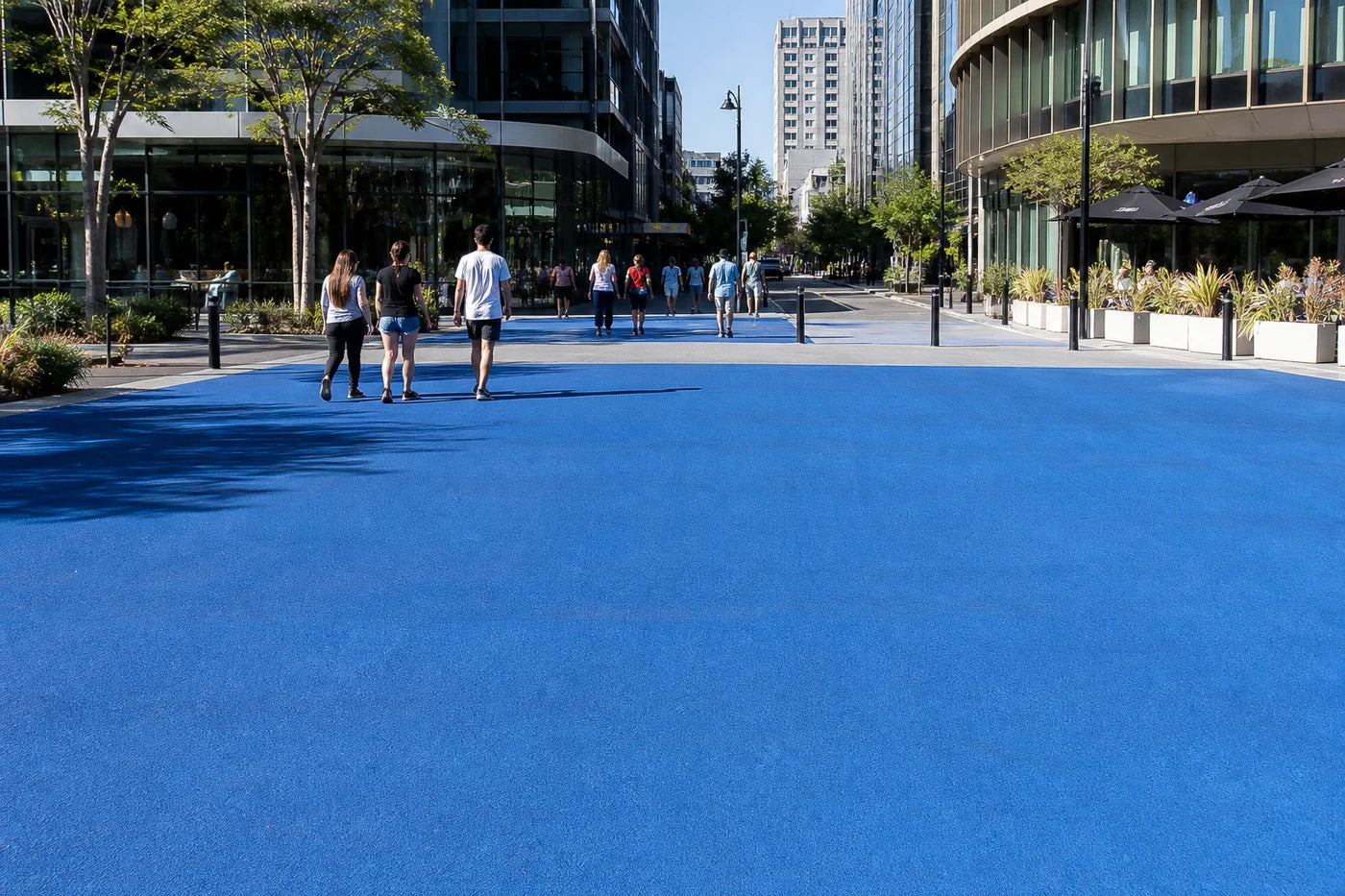
Color can provide an effective wayfinding system throughout a tourist destination. Different pavement colors can identify main sightseeing routes, secondary trails, viewing areas, rest zones, bicycle paths, and connections between attractions.
A continuous colored route can guide visitors toward a viewpoint or landmark, while contrasting sections can highlight intersections and important destination points.
Colored pavement can therefore reduce reliance on signs alone while making routes easier to recognize.
Durable for Popular Tourist Destinations
Popular scenic areas may experience significant pedestrian traffic throughout the year. Pathways can also be used by bicycles, maintenance carts, cleaning equipment, and service vehicles.
A properly designed colored pavement system can provide a durable wearing surface over suitable asphalt or concrete. Material selection should consider traffic levels, climate, drainage, UV exposure, substrate condition, and the surrounding environment.
Connecting Visitors with the Landscape
Colored pavement is suitable for scenic walks, tourist routes, mountain attractions, waterfront paths, nature parks, resorts, viewing platforms, garden trails, and recreational destinations.
By combining decorative color, anti-slip texture, visual wayfinding, and durable surface performance, colored pavement can turn an ordinary route into an integral part of the visitor experience. A thoughtfully designed pathway not only connects destinations—it can also make the journey between scenic viewpoints more attractive and memorable.


 Highways
 Cycle Lanes
 Pedestrian Zones
 Bridges & Tunnels
 Parking
 School Zones
 Industrial
 Recreation