Application-focused colored surfacing systems engineered to improve skid resistance, traffic guidance and long-term durability across roads, bridges and public infrastructure.
Solution article
Creating Safer Waterfront Spaces with Anti-Slip Surfacing
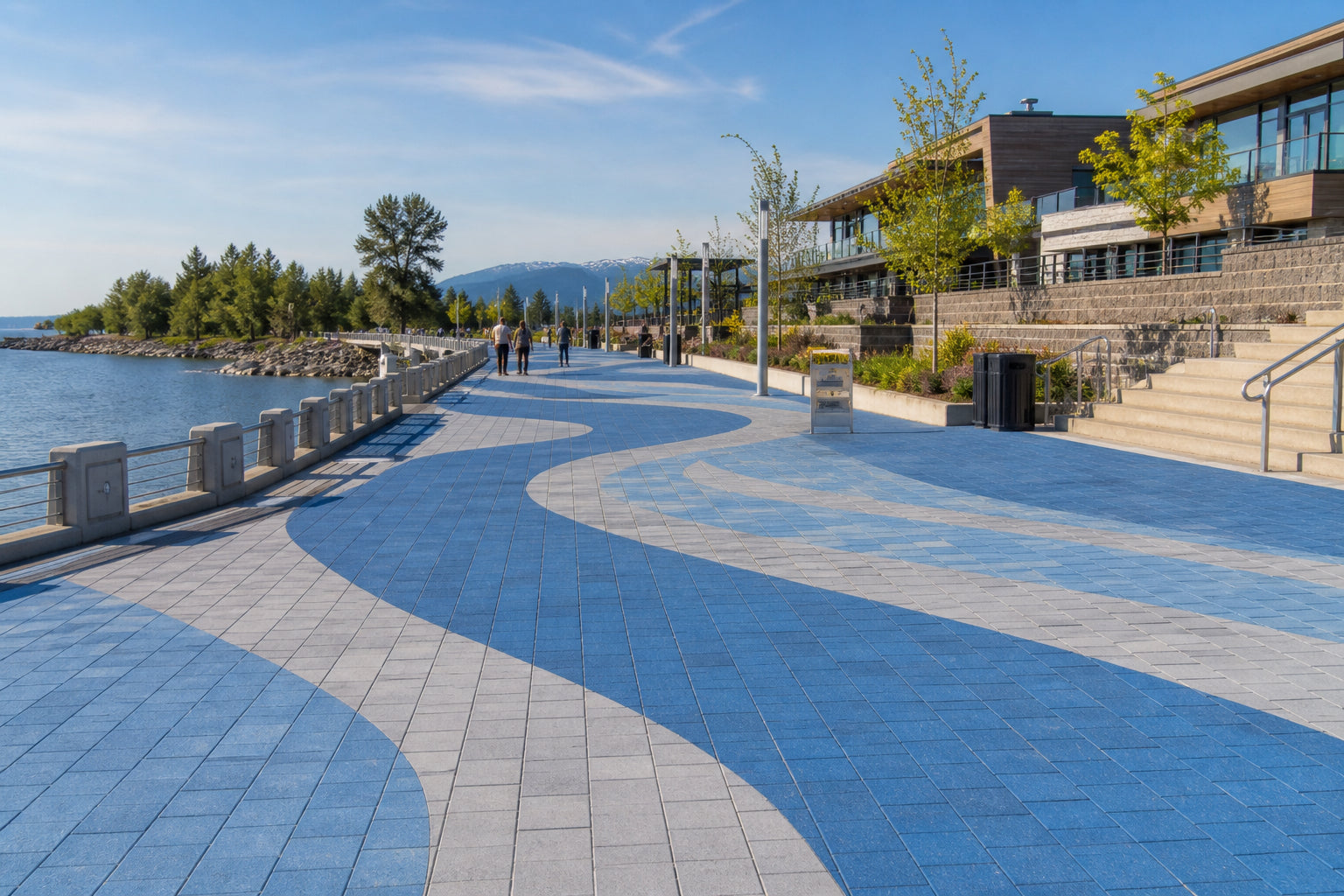
Anti-slip surfacing combines reliable traction, decorative color, and durable outdoor performance to create attractive waterfront promenades, riverside walkways, marina areas, and other high-traffic public spaces.
admin
Creating Safer Waterfront Spaces with Anti-Slip Surfacing
Waterfront public spaces are popular destinations for walking, sightseeing, recreation, dining, and community activities. From urban promenades and riverside parks to marina walkways and coastal plazas, these environments attract large numbers of visitors while remaining continuously exposed to water and changing weather conditions. Anti-slip surfacing for waterfront spaces provides a practical solution that combines reliable traction, decorative color, and durable outdoor performance.
Why Do Waterfront Areas Need Anti-Slip Surfaces?
Waterfront environments naturally experience higher levels of moisture. Rain, water spray, humidity, surface runoff, and wet footwear can all affect pavement conditions. Areas close to fountains, docks, marina edges, or water features may require particular attention.
Anti-slip surfacing creates a textured surface that provides additional grip underfoot. Durable binders can be combined with selected high-friction aggregates to create a slip-resistant finish suitable for outdoor pedestrian areas.
This makes the system particularly useful for waterfront promenades, sloped walkways, ramps, viewing platforms, and other frequently used public routes.
Bringing Color to Waterfront Landscapes
Pavement plays an important visual role in waterfront design. Instead of relying only on gray concrete or black asphalt, colored surfacing can complement water, landscaping, architecture, and surrounding public spaces.
Blue, beige, red, green, and natural earth tones can be used to create distinctive pavement designs. Different colors can also define pedestrian routes, cycling lanes, recreational areas, viewing zones, plazas, and shared-use paths.
Decorative patterns and contrasting borders can further enhance the character of waterfront destinations while making different functional areas easier to recognize.
Designed for Busy Outdoor Environments
Waterfront public spaces may experience continuous pedestrian and bicycle traffic, along with maintenance carts, cleaning equipment, and occasional service vehicles. Surfacing materials therefore need to provide good wear resistance and maintain their texture under regular use.
A properly designed anti-slip surfacing system can be installed over suitable asphalt or concrete substrates. Material selection should consider traffic levels, drainage, UV exposure, temperature changes, moisture, and the condition of the existing pavement.
For coastal locations, project designers should also consider exposure to saltwater and the specific environmental conditions of the site when selecting materials.
Supporting Clearer Pedestrian Routes
Colored anti-slip surfaces can help organize busy waterfront areas by providing visual guidance through changes in pavement color.
A main promenade can use one color, while bicycle routes or viewing areas use contrasting surfaces. This approach can create intuitive connections between entrances, attractions, restaurants, parks, and waterfront destinations without depending entirely on signs.
It also allows the pavement itself to become part of the overall landscape design.
Creating Attractive and Functional Waterfront Spaces
Anti-slip surfacing is suitable for waterfront promenades, riverside walkways, marina areas, coastal parks, harbor plazas, lakeside paths, viewing platforms, and recreational waterfronts.
By combining slip-resistant texture, decorative color, route guidance, and durable surface protection, anti-slip surfacing can help transform ordinary waterfront pavement into an attractive and functional part of the public realm. With appropriate design and material selection, it provides a versatile surfacing solution for modern waterfront environments.


 Highways
 Cycle Lanes
 Pedestrian Zones
 Bridges & Tunnels
 Parking
 School Zones
 Industrial
 Recreation