Application-focused colored surfacing systems engineered to improve skid resistance, traffic guidance and long-term durability across roads, bridges and public infrastructure.
Solution article
Green Light for Safety: Colored Surfacing at Pedestrian Crossings
Colored anti-slip surfacing can enhance signalised pedestrian crossings by improving visibility, providing additional grip, defining pedestrian routes, and supporting safer movement through busy urban roads.
admin
Green Light for Safety: Colored Surfacing at Pedestrian Crossings
Signalised pedestrian crossings play an important role in helping people move safely across busy roads. Traffic signals provide clear instructions for drivers and pedestrians, but surface design can add another layer of visibility and guidance. Colored surfacing at pedestrian crossings can make crossing areas easier to recognize while supporting safer and more organized movement.
Making Crossings More Visible
In busy urban environments, pedestrian crossings compete visually with traffic lanes, road markings, signs, parked vehicles, and surrounding streetscape features. Adding a distinctive surface color can help the crossing stand out from the roadway.
Colored pedestrian crossing surfacing creates visual contrast that can make pedestrian zones more noticeable to road users. It can also highlight crossing approaches, waiting areas, and other locations where drivers should be particularly aware of pedestrians.
Adding Anti-Slip Performance
Pedestrian crossings are exposed to rain, moisture, dirt, and constant traffic. Surface grip is therefore an important consideration, especially when pedestrians need to cross quickly or when conditions are wet.
A textured anti-slip surfacing system can provide enhanced friction underfoot. This is particularly useful for children, older pedestrians, people using mobility aids, and other users who may benefit from a more secure walking surface.
When correctly specified, colored anti-slip surfacing combines visibility with practical surface performance.
Guiding Pedestrians Through Busy Roads
Color can also help pedestrians understand where they are expected to cross. Clearly defined surfaces create a visual connection between opposite sides of the road, helping form an intuitive route through the intersection.
At larger junctions, colored surfacing can distinguish pedestrian crossings from cycle lanes, vehicle lanes, turning zones, and other road areas. When used alongside signals, road markings, tactile paving, and signs, it contributes to a clearer traffic environment.
Supporting Safer Urban Streets
Signalised crossings are commonly found near schools, hospitals, shopping districts, transport stations, public buildings, and other high-traffic destinations. These locations often require surfaces that balance safety, durability, and visibility.
A properly installed durable colored surfacing system can withstand frequent pedestrian use and demanding outdoor conditions. Depending on the selected system and substrate, it can be applied to asphalt, concrete, and other suitable prepared surfaces.
Color That Works with Traffic Safety
Colored surfacing is more than a decorative feature. At signalised pedestrian crossings, it can reinforce the purpose of the crossing, improve visual definition, enhance surface grip, and contribute to a more organized streetscape.
By combining traffic signals with clear markings and colored anti-slip surfacing, designers can create pedestrian crossings that are easier to identify and more comfortable to use.


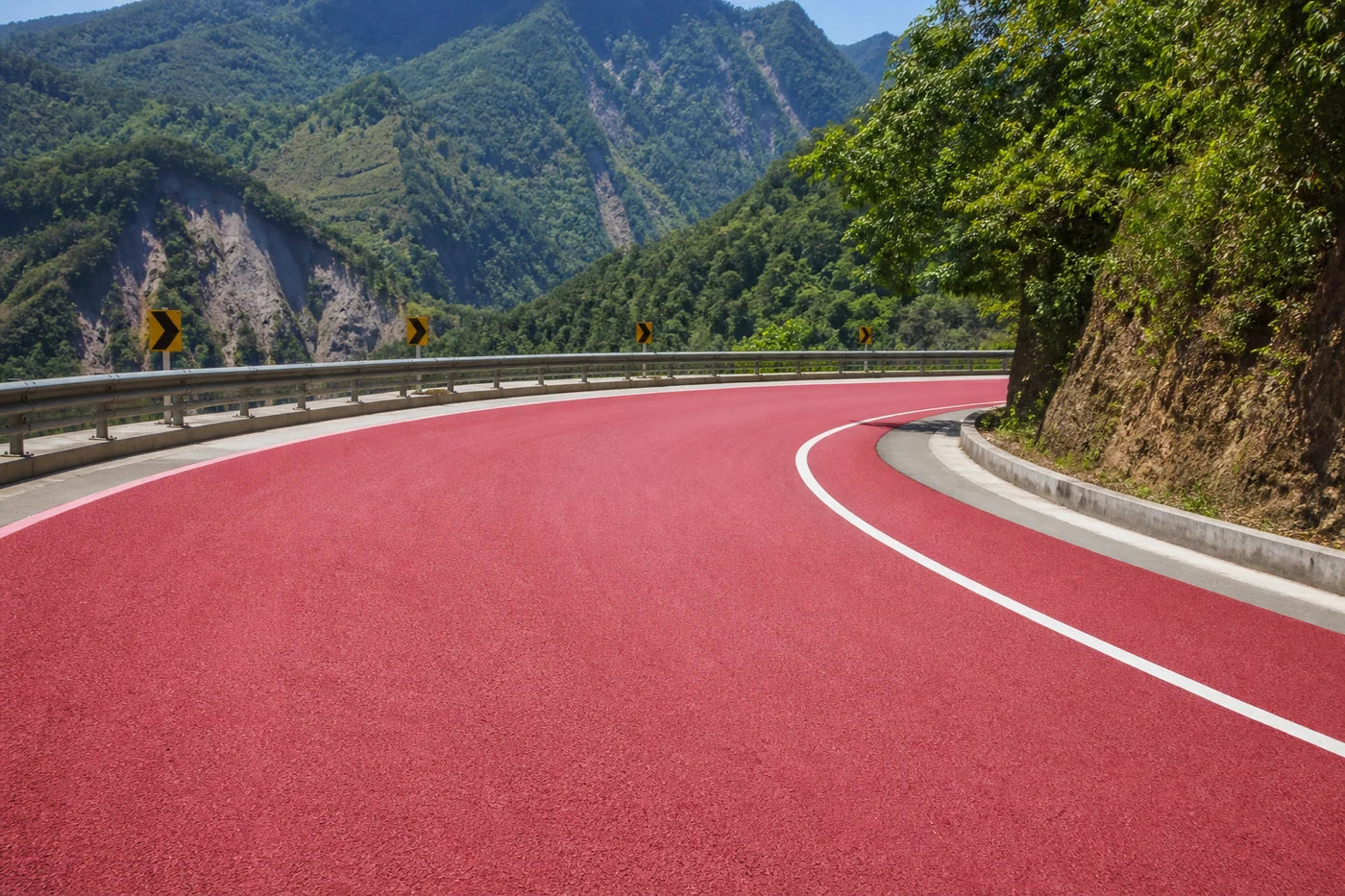 Highways
 Cycle Lanes
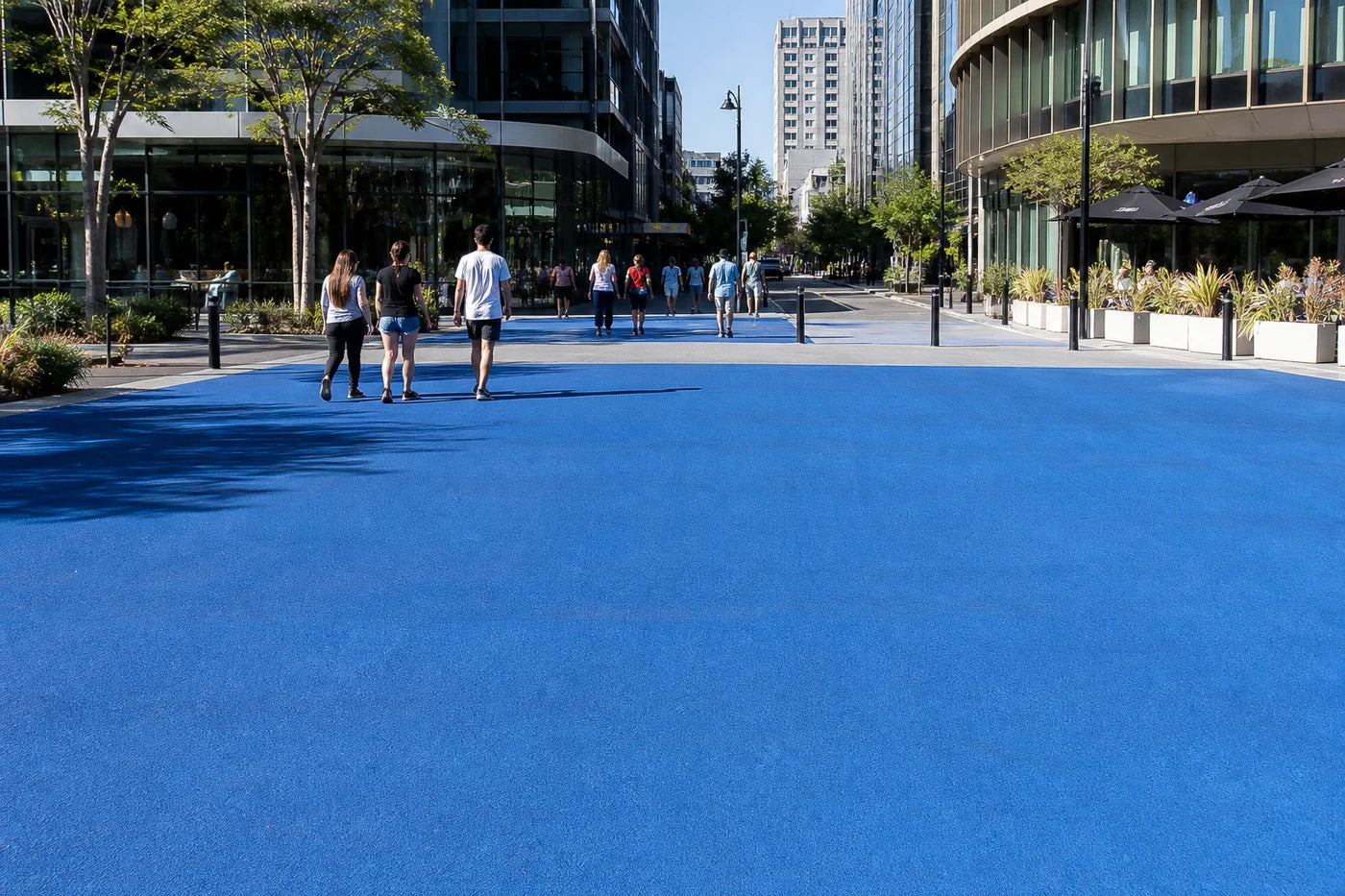 Pedestrian Zones
 Bridges & Tunnels
 Parking
 School Zones
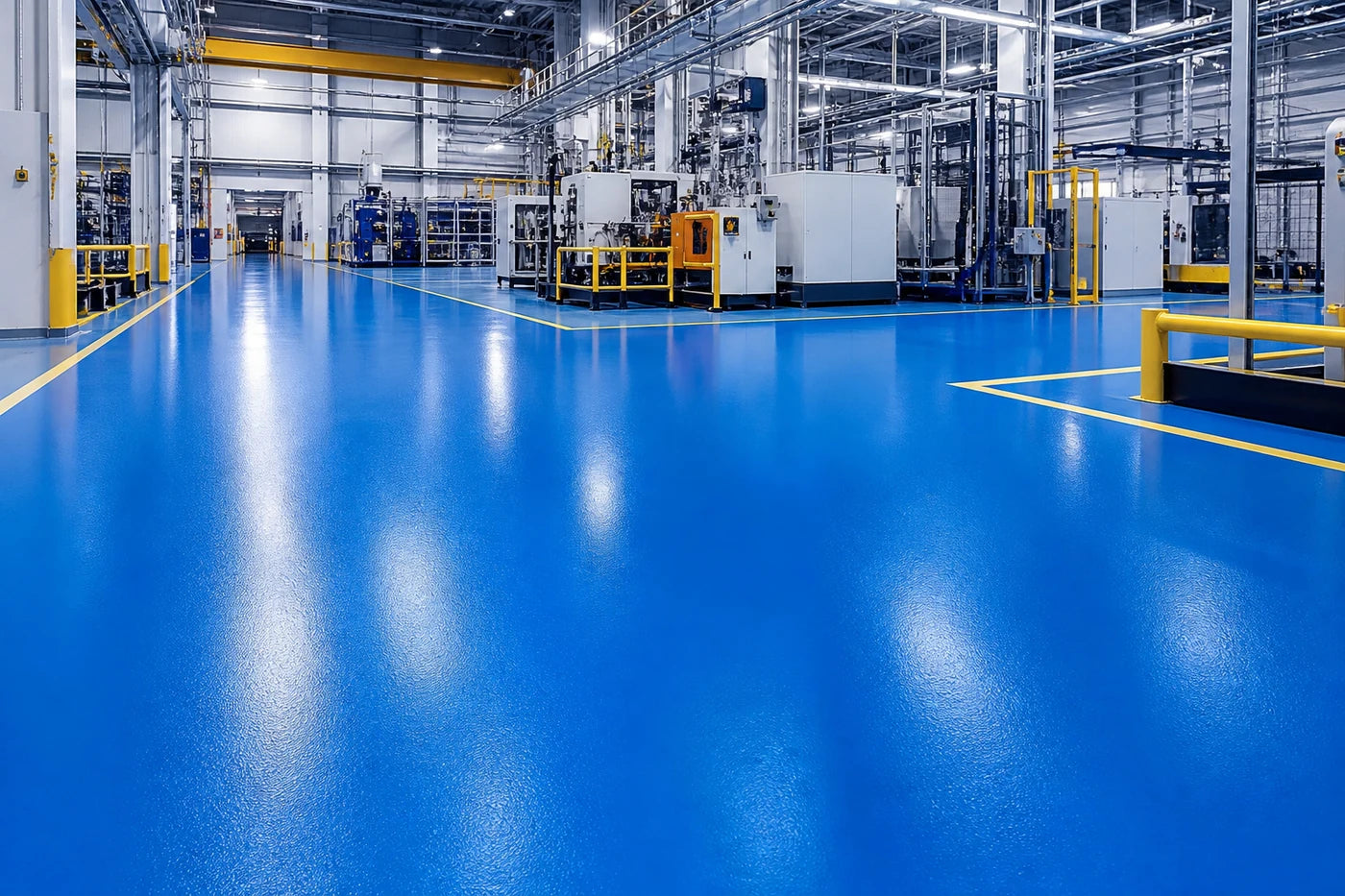 Industrial
 Recreation