Application-focused colored surfacing systems engineered to improve skid resistance, traffic guidance and long-term durability across roads, bridges and public infrastructure.
Solution article
How Can Colored Surfacing Improve School Entrance Safety?
Colored anti-slip surfacing can improve school entrance safety by increasing visibility, supporting traffic calming, highlighting pedestrian routes, and clearly defining drop-off and slow zones.
admin
How Can Colored Surfacing Improve School Entrance Safety?
School entrances are busy areas where students, parents, buses, bicycles, and cars often come together, especially during morning arrival and afternoon pick-up times. Clear traffic organization is essential in these high-activity spaces. Colored surfacing for school entrances can improve visibility, highlight important zones, and provide a more clearly defined environment for both pedestrians and drivers.
Make School Zones More Visible
One of the main advantages of colored surfacing is increased visual awareness. Bright, contrasting pavement can immediately signal to drivers that they are entering a school safety zone where greater attention and lower speeds may be required.
Colored surfaces can be used alongside traffic signs, road markings, and speed-control measures to make school entrances more noticeable. Red, green, blue, or other contrasting colors can identify specific areas and reinforce the purpose of the road space.
Support Traffic Calming
Traffic calming around schools is important where vehicles interact with large numbers of pedestrians. Colored pavement creates a visual change in the road environment, helping emphasize slow zones, crossings, and entrance points.
It can be particularly effective around raised crossings, speed tables, drop-off areas, and vehicle approaches. The change in surface appearance provides an additional visual cue that drivers are entering an area requiring extra attention.
Highlight Pedestrian Crossings
Students often need to cross vehicle routes when entering or leaving school. Colored surfacing can make pedestrian crossings and school walkways stand out clearly from surrounding asphalt.
Contrasting colors can also help guide students toward designated crossing points and define pedestrian-priority areas, creating a more organized movement pattern around the entrance.
Improve Surface Grip
School entrance surfaces are exposed to rain, frequent traffic, turning vehicles, and regular pedestrian use. A textured colored anti-slip surfacing system can provide enhanced surface friction in locations where additional grip is beneficial.
This makes it suitable for crossings, approaches, ramps, turning areas, and other high-traffic sections of a school entrance.
Create Clearer Drop-Off Zones
Colored pavement can also distinguish school drop-off zones, bus areas, cycle routes, pedestrian paths, and restricted vehicle spaces. Using different colors for different functions makes the entrance layout easier to understand at a glance.
Clear visual zoning can help reduce confusion during busy arrival and dismissal periods while creating a more orderly campus entrance.
A Practical Solution for Safer School Entrances
Colored surfacing combines visibility, anti-slip performance, traffic guidance, and durable pavement protection in one practical solution. When integrated with appropriate signs, markings, crossings, and traffic-calming measures, it can contribute to a clearer and better-organized school entrance.
For new school developments or existing entrance upgrades, colored surfacing offers an effective way to make important pedestrian and traffic areas more visible while improving the overall appearance of the campus.


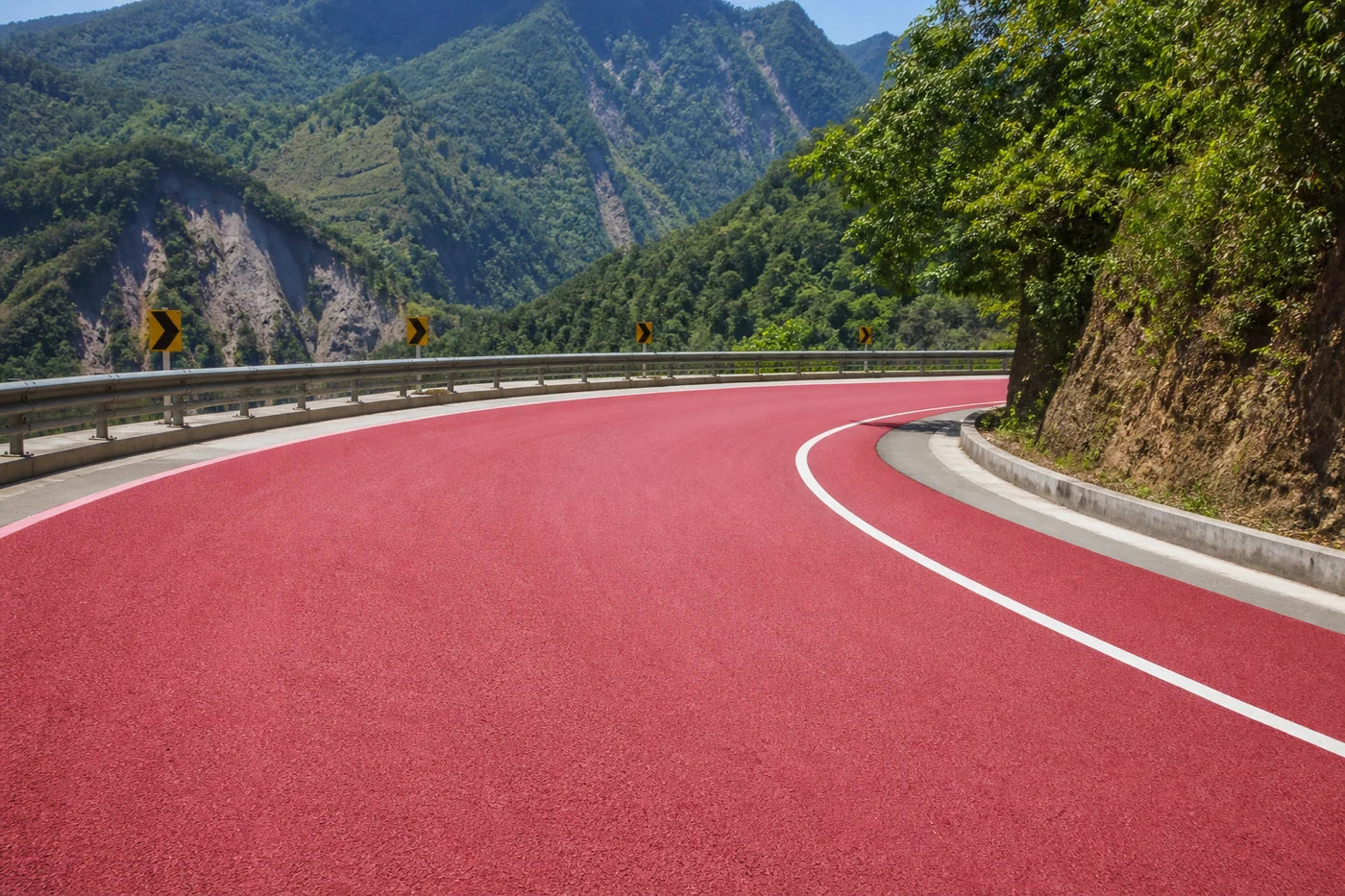 Highways
 Cycle Lanes
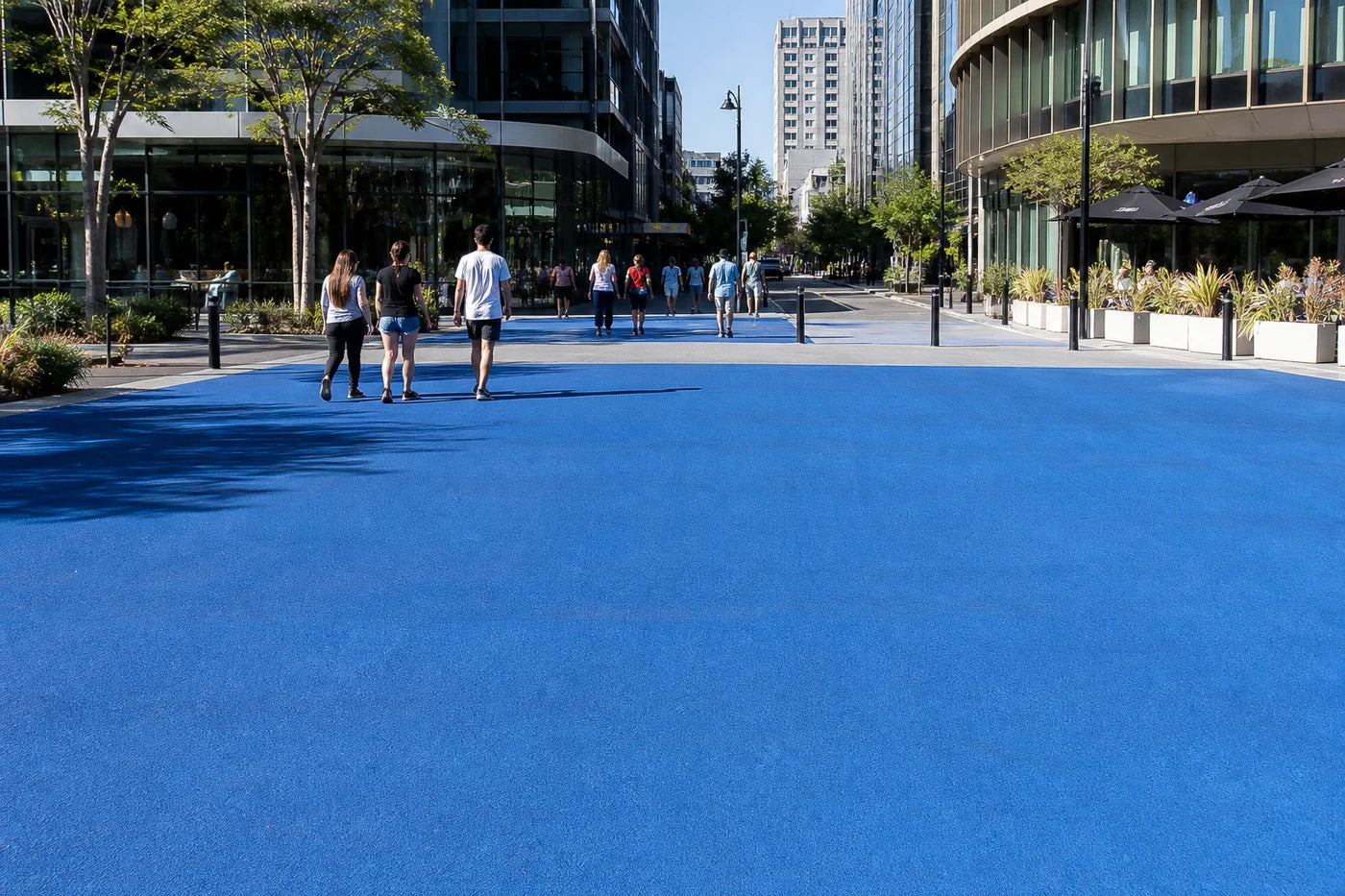 Pedestrian Zones
 Bridges & Tunnels
 Parking
 School Zones
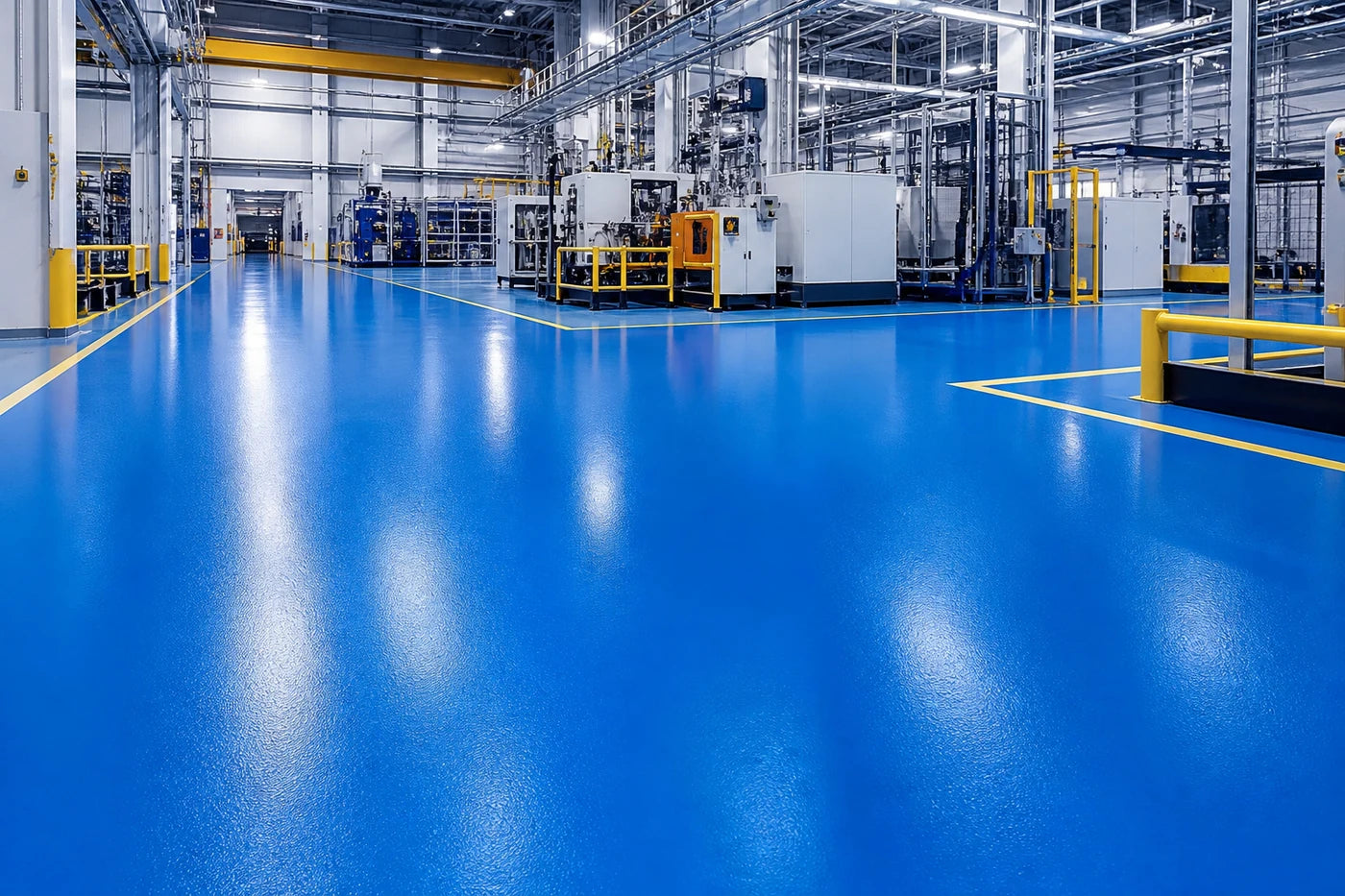 Industrial
 Recreation