Application-focused colored surfacing systems engineered to improve skid resistance, traffic guidance and long-term durability across roads, bridges and public infrastructure.
Solution article
Colored Surfacing for Shared Bike and Scooter Lanes
Colored surfacing improves shared bike and scooter lanes with greater visibility, clearer route guidance, enhanced grip, and durable performance for modern urban micromobility networks.
admin
Colored Surfacing for Shared Bike and Scooter Lanes
Bikes and e-scooters have become an important part of urban mobility, offering convenient options for short-distance travel and connections to public transport. As more people use these forms of transport, cities need clearly defined routes that can accommodate different users. Colored surfacing for shared bike and scooter lanes provides an effective way to improve visibility, organize movement, and create recognizable micromobility routes.
Make Shared Lanes Easy to Identify
Colored pavement creates a strong visual difference between a shared micromobility lane and surrounding vehicle or pedestrian areas. Green, red, blue, or other contrasting colors can be used to establish a continuous route through busy urban environments.
Clear lane markings and symbols can further indicate that the space is intended for both bicycles and e-scooters.
Improve Route Guidance
Shared lanes often connect residential areas, business districts, transport stations, universities, parks, and shopping streets. Consistent colored micromobility lanes can help riders follow these routes without relying entirely on directional signs.
Color can also highlight changes in the route at junctions, crossings, and other transition areas.
Highlight Conflict Areas
Bike and scooter lanes frequently cross driveways, intersections, bus stops, parking access points, and pedestrian routes. These locations require greater awareness from all road users.
Contrasting colored pavement can make bike and scooter crossings more noticeable and clearly indicate where different traffic movements intersect.
Enhance Surface Grip
Bicycles and e-scooters have relatively small contact areas with the pavement, making suitable surface traction particularly important during braking and cornering.
A carefully specified colored anti-slip surfacing system can provide enhanced grip at bends, slopes, intersections, crossings, and other locations where additional friction may be beneficial.
Support Modern Micromobility Networks
Durable colored surfacing can be used for new shared lanes as well as existing route upgrades and resurfacing projects. It combines practical performance with a clear visual identity for modern urban transport infrastructure.
By bringing together visibility, route guidance, appropriate grip, and durable performance, colored surfacing can help create shared bike and scooter lanes that are easier to recognize and navigate.


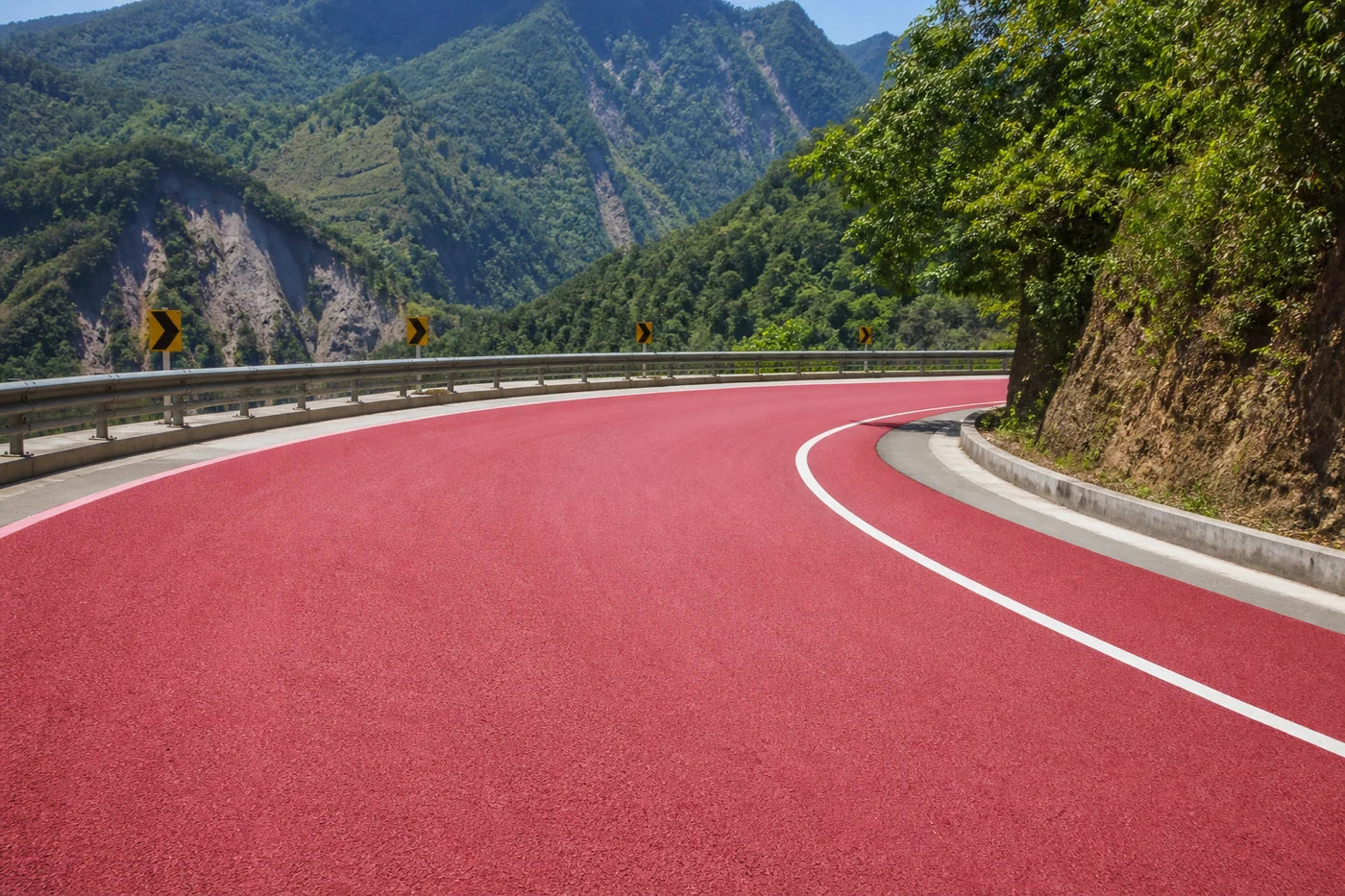 Highways
 Cycle Lanes
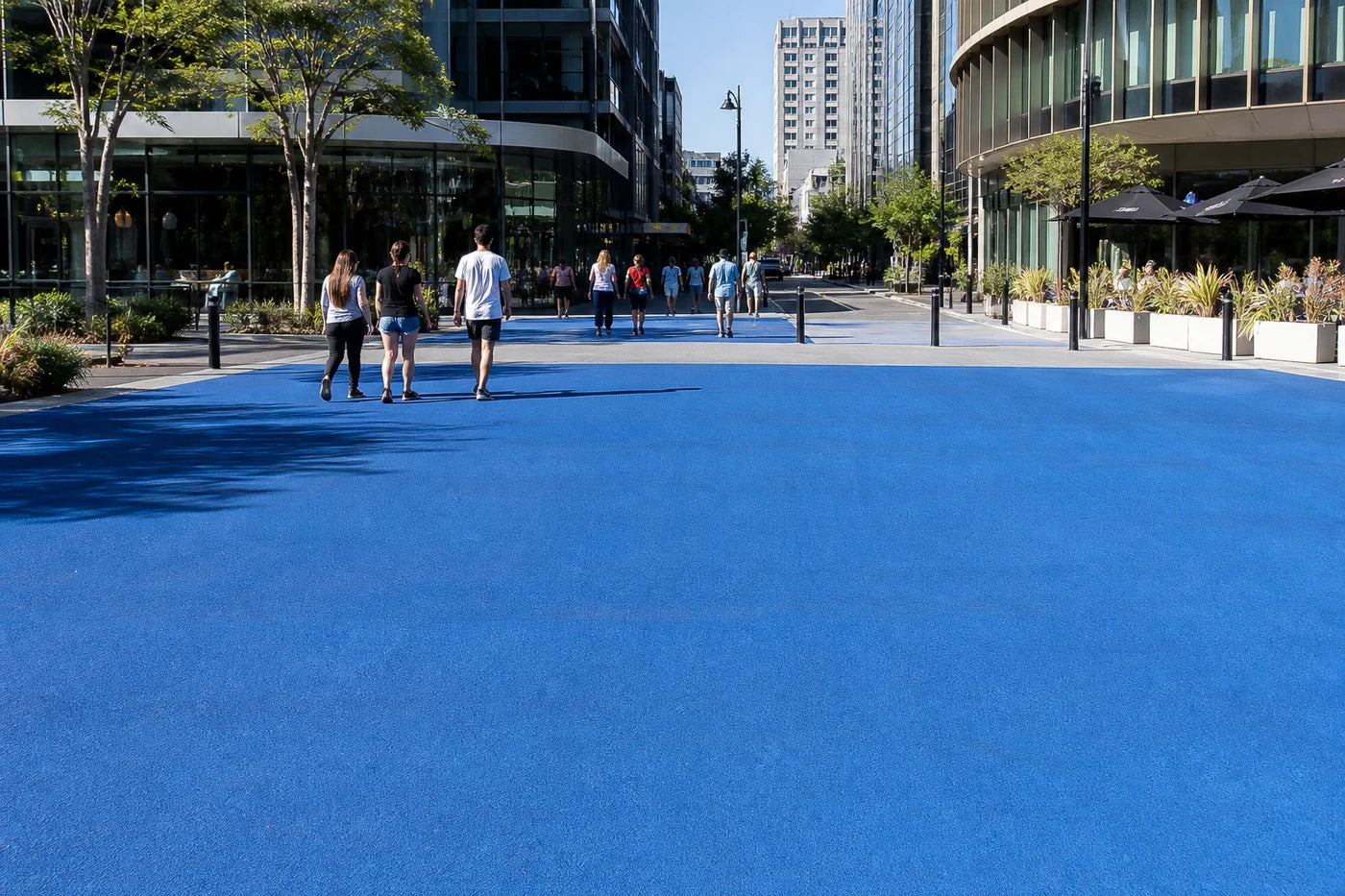 Pedestrian Zones
 Bridges & Tunnels
 Parking
 School Zones
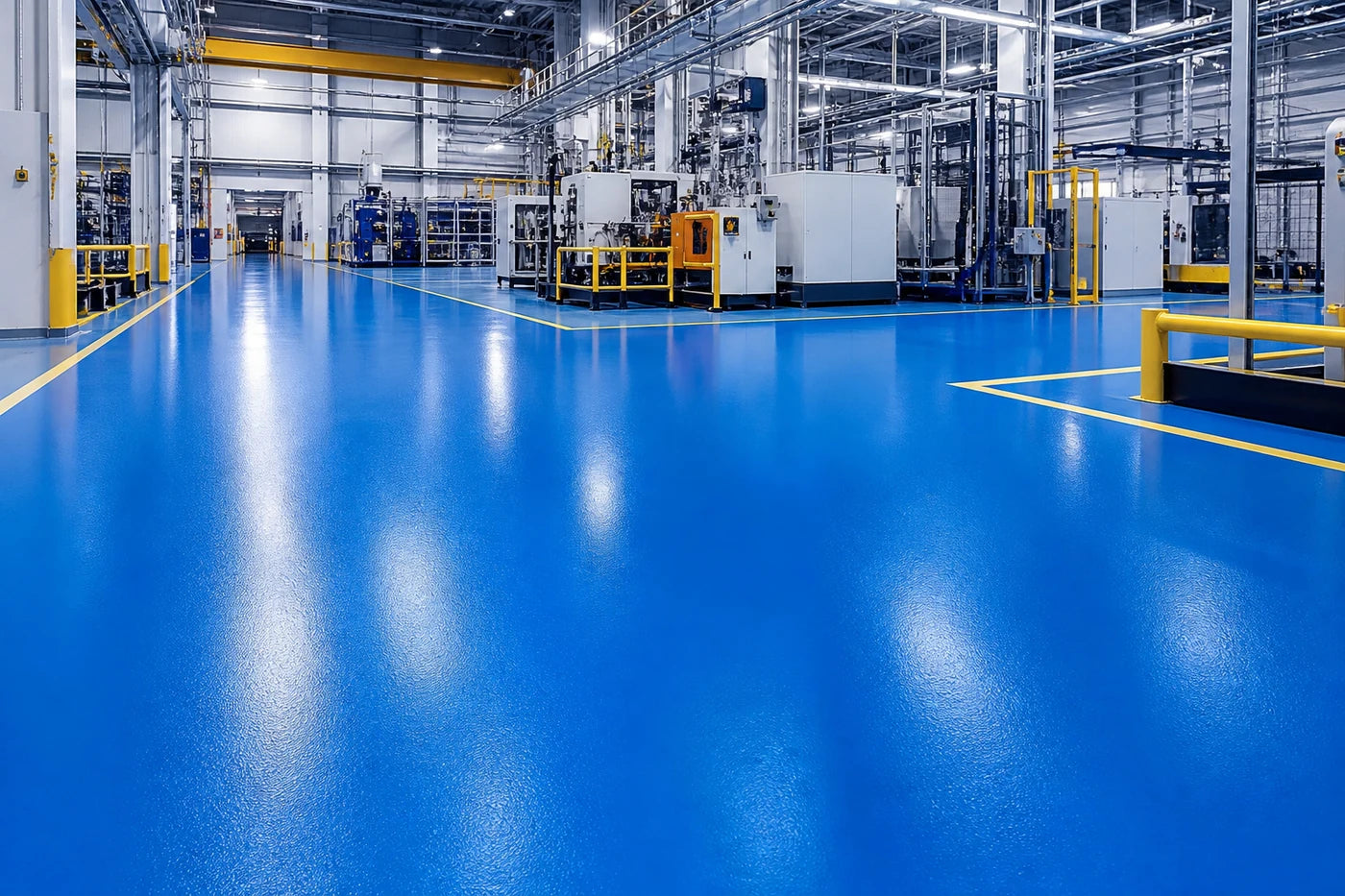 Industrial
 Recreation