Application-focused colored surfacing systems engineered to improve skid resistance, traffic guidance and long-term durability across roads, bridges and public infrastructure.
Solution article
Bike Lane Resurfacing with Colored Anti-Slip Pavement
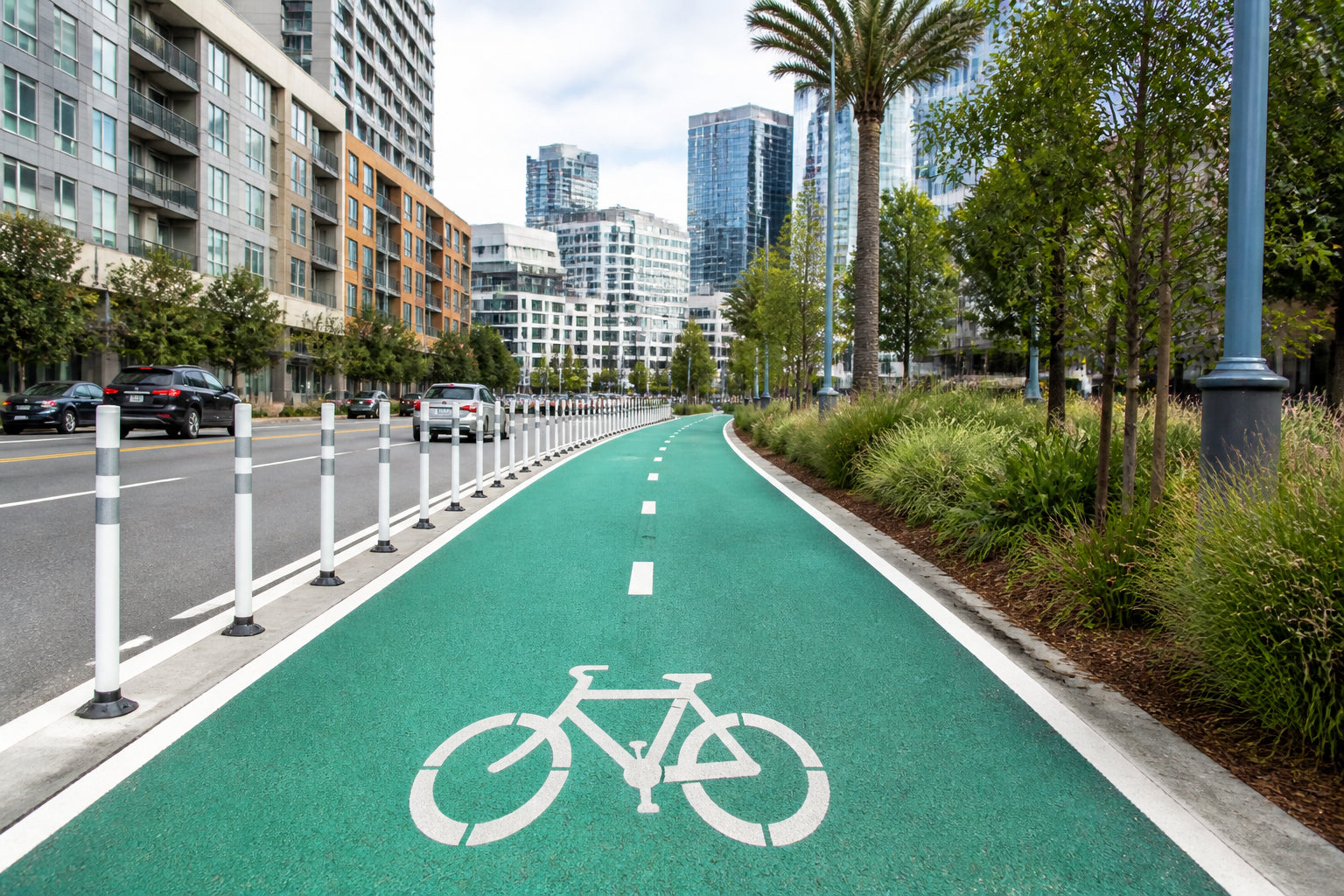
Bike lane resurfacing with colored anti-slip pavement restores worn cycling routes with improved visibility, enhanced grip, clear route definition, and durable surface performance.
admin
Bike Lane Resurfacing with Colored Anti-Slip Pavement
Bike lanes are an important part of modern transportation networks, helping cyclists travel through cities, communities, parks, and shared road environments. Over time, however, heavy use, weather exposure, fading colors, and general surface wear can reduce both the appearance and effectiveness of cycling infrastructure. Bike lane resurfacing with colored anti-slip pavement provides a practical way to renew existing routes while improving visibility, grip, and overall surface performance.
Give Worn Bike Lanes a Fresh Start
Older bike lanes can become faded, difficult to identify, or visually inconsistent with surrounding road markings. Resurfacing provides an opportunity to restore the route without completely redesigning the cycling network.
Applying colored pavement for bike lanes creates a fresh, clearly recognizable surface that helps distinguish cycling space from adjacent vehicle and pedestrian areas.
Improve Visibility with Color
Color is one of the most effective ways to make a bike lane stand out. Green, red, blue, or other contrasting surfaces can highlight continuous cycling routes as well as key conflict areas.
Intersections, road crossings, turning zones, and entrances can particularly benefit from high-visibility surfacing, helping make the presence of the bike lane more obvious to different road users.
Add Grip with Anti-Slip Surfacing
Cyclists need reliable traction when accelerating, braking, and cornering. Rain, dust, leaves, and surface wear can affect the performance of older pavement.
A suitable anti-slip bike lane surface can provide enhanced grip in locations where additional traction is required. The surface texture should be carefully selected to balance friction with a comfortable and consistent cycling experience.
Extend the Life of Existing Cycling Routes
Bike lane renewal can be a practical alternative when the underlying pavement remains suitable for resurfacing. A durable surface treatment can refresh worn areas, restore color, and improve functionality.
Regular bike lane maintenance and resurfacing can also address localized wear before the cycling route requires more extensive rehabilitation.
Build Better Cycling Infrastructure
Successful bike lane resurfacing is about more than changing the color of the road. It provides an opportunity to improve visibility, reinforce route identity, enhance surface grip, and create a cleaner, more consistent cycling environment.
With the right materials and installation, colored anti-slip pavement can give existing bike lanes a new life while supporting durable, clearly defined cycling infrastructure.


 Highways
 Cycle Lanes
 Pedestrian Zones
 Bridges & Tunnels
 Parking
 School Zones
 Industrial
 Recreation